
How Snow Melt, Sand, and Salt Affect Your Lawn & Landscape: What West Chazy Homeowners Should Know
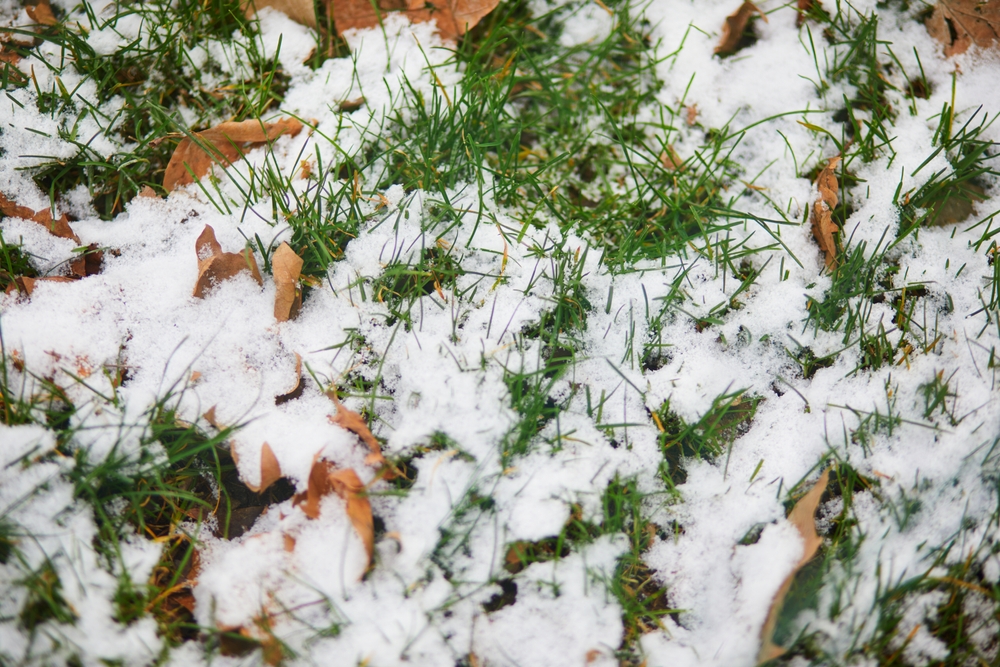
Living in West Chazy, NY means dealing with long, icy winters and the persistent challenge of maintaining your lawn and landscape in the face of snow, sand, and salt. While these elements are essential for winter safety, they can cause serious harm to your lawn and garden if not properly managed. Understanding how each of these winter factors affects your outdoor spaces is crucial for minimizing damage and promoting a healthy, vibrant yard once spring arrives. Here’s what every homeowner in Northern NY should know about winter landscape care.
The Impact of Snow Melt on Lawns
Snow may look harmless as it gently coats your yard, but once it begins to melt, problems can arise. Snow melt can cause lawn damage in two significant ways: through waterlogging and by encouraging the formation of snow mold. In regions like West Chazy, where winter storms can dump feet of snow in a single week, this becomes an annual concern.
As snow accumulates and begins to thaw during temperature fluctuations, the resulting water can saturate the soil beneath. If the ground remains frozen below the surface, water cannot drain properly and pools on the grass. This leads to waterlogging, depriving the roots of oxygen and promoting root rot and disease. This damage is often visible in the form of patchy, thinning grass once the snow has fully melted.
Another issue is snow mold, a fungal disease that thrives under snow cover when grass remains moist for extended periods. Pink and gray snow mold both result in unsightly circular patches on your lawn and can spread rapidly if not treated early. Preventative measures like mowing your lawn slightly shorter in the fall and raking away leaf debris before the first snowfall can help mitigate the risk.
How Sand and Salt Harm Grass and Soil
Sand and salt are essential tools for ensuring safe walking and driving conditions in West Chazy during icy months. However, these materials pose a hidden threat to the health of your lawn and landscape. As winter progresses, sand and salt from roads, driveways, and sidewalks often get plowed or blown onto lawns, where they wreak havoc.
Salt, especially sodium chloride, draws moisture away from plant roots and can lead to dehydration in grass and other vegetation. In Northern NY, where deicing is common, repeated exposure to salt can accumulate in the soil and change its composition. This makes it harder for roots to absorb water and essential nutrients, ultimately weakening the grass. Symptoms of salt damage include brown or scorched-looking grass, often along driveways and pathways where salt is most heavily used.
Sand presents a different issue. While not chemically harmful like salt, sand can smother grass and compact the soil. A layer of sand on your lawn blocks light and air from reaching the grass below, creating an environment where mold and pests can thrive. Additionally, excessive sand can alter soil texture, leading to drainage issues and reducing the natural fertility of your yard.
Homeowners should regularly clear sand and salt buildup along the edges of driveways and walkways throughout the winter whenever it is safe to do so. In spring, thorough rinsing of these areas with water can help flush the salt deeper into the soil, reducing its surface concentration. Where damage has already occurred, applying gypsum can help neutralize sodium and restore soil balance.
Winter Landscape Care Tips for Northern NY
Proper winter landscape care is about prevention and strategic maintenance. For residents of Northern NY, preparation begins in the fall. One of the best ways to protect your lawn and garden from winter stressors is to fortify them before the first snowfall. A deep root feeding in late autumn gives your grass and trees the nutrients needed to withstand winter dormancy and bounce back come spring.
Snow should be shoveled and stored in areas away from sensitive grass or plants whenever possible. Repeatedly piling snow in the same spot can compact the grass and promote disease. When clearing pathways, use alternative deicers such as calcium magnesium acetate or potassium chloride, which are less harmful to vegetation than traditional salt.
Tree and shrub protection is another important part of winter landscape care. Strong winds and heavy snow can break branches or cause permanent bending. Wrapping young or fragile trees with burlap can shield them from salt spray and freezing temperatures. Additionally, mulching around the base of trees and garden beds provides insulation and helps retain soil moisture through the cold months.
Regular monitoring during winter thaws is also vital. If temperatures rise and snow begins to melt rapidly, take note of pooling water and consider trenching small channels to direct runoff away from your lawn and foundation. Early intervention can help prevent the formation of ice layers that suffocate grass and promote mold growth.
Deicing Lawn Protection Tips for Homeowners
Using deicers is a necessary safety measure, especially in icy Northern NY climates. However, protecting your lawn while keeping walkways safe is possible with a few practical adjustments. Choose eco-friendly products and apply them only where absolutely necessary. This reduces the amount of chemical runoff that ends up in your soil.
Granular deicers offer more controlled application than powders or liquids. They can be scattered more evenly and are less likely to drift into grassy areas. Always read the label and follow manufacturer recommendations for dosage and usage conditions. Overapplication is one of the leading causes of chemical burn and long-term soil degradation.
After storms, sweep up excess salt and sand instead of washing it away. Collecting and reusing unused material not only prevents lawn damage but also reduces waste. If you notice browning or damage near walkways and driveways after a season of deicing, springtime soil testing can help assess the extent of chemical accumulation. Amending the soil with compost and gypsum, followed by overseeding and watering, can kick-start the recovery process.
Protective barriers are another useful strategy. Installing temporary fencing or edging along driveways and sidewalks can help minimize the spread of salt into the lawn. Some homeowners also plant salt-tolerant ground covers or grasses in high-risk zones as a buffer against winter chemical exposure.
Preparing for Spring Recovery in West Chazy
Once the snow clears and temperatures rise in West Chazy, lawn recovery begins. Early spring is the ideal time to assess winter damage and plan for revitalization. Begin by raking your lawn gently to remove any lingering debris or matted grass. This helps improve air circulation and stimulates new growth.
If snow mold is present, avoid mowing until the affected areas begin to show signs of recovery. Applying a light fertilizer designed for spring use can help jumpstart the healing process. In cases of severe damage from snow melt or salt exposure, aerating the soil can restore drainage and improve oxygen access to roots.
Reseeding bare or thin patches ensures that your lawn regains its lush, green appearance. Be sure to choose grass varieties suited to the Northern NY climate for best results. Water consistently during dry spells, especially in newly seeded areas, and avoid heavy foot traffic until the lawn has reestablished itself.
For flower beds and landscaping features, prune dead or damaged branches from shrubs and apply fresh mulch to suppress weeds and retain moisture. Replanting or adjusting plant placement based on where winter damage was most severe can help build a more resilient landscape for the seasons ahead.
Conclusion
Homeowners in West Chazy face unique challenges when it comes to maintaining a healthy landscape through winter. Understanding the combined effects of snow melt, sand, and salt on your lawn is key to minimizing long-term damage. With the right approach to winter landscape care, including smart deicing strategies and attentive spring recovery, you can ensure your yard thrives year after year.
By taking proactive steps now, you’ll be better equipped to protect your lawn and garden from harsh winter conditions and enjoy a beautiful, vibrant landscape when the warmer months return. Whether you’re dealing with snow melt damage to your lawn, managing the sand and salt effects on grass in NY, or simply looking for effective deicing lawn protection tips, knowledge and consistency make all the difference in keeping your West Chazy property healthy and attractive all year long.
Need Landscapers in NY?
Welcome to Rand Hill Lawns, Inc.! We are a family-owned and -operated business that has served the Plattsburgh community since 1986. We are your go-to lawn care consultants! Whether you need landscaping, snow removal, excavating, paving, tree removal, stump removal, or fertilizer, we can do it all. We will not stop working until we get the job done for you! We are licensed and have 30 years of experience in lawn care services. Contact us today for a free estimate!
Categorised in: Landscaping