
What Are the Best Grass Types for the Harsh Climate of Northern New York?
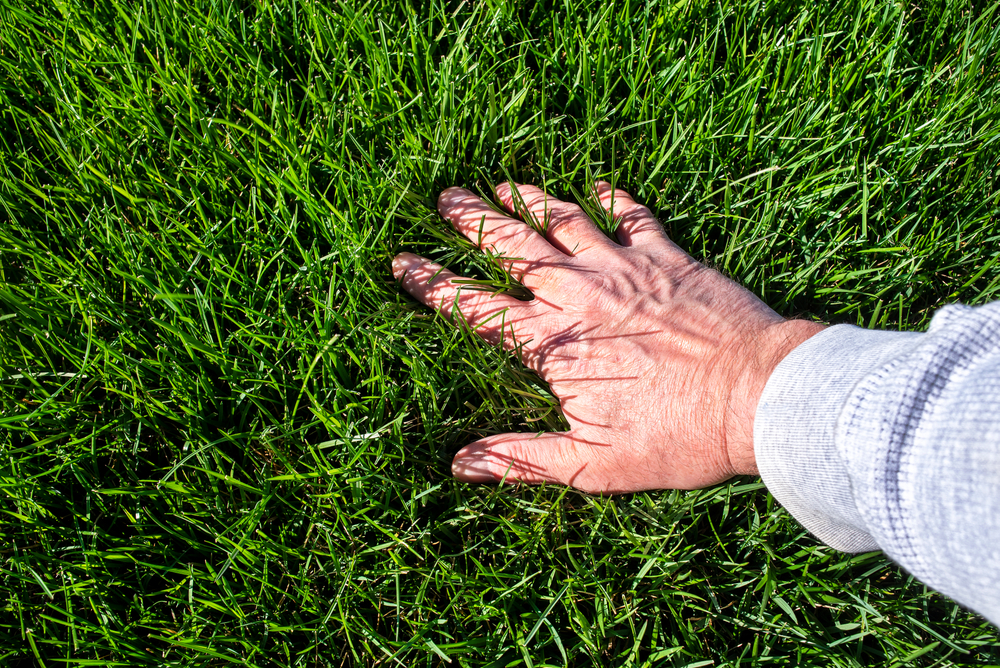
If you have ever tried to grow a lush, green lawn in the North Country, you already know the challenge. Winters are long and brutal, summers are short and sometimes dry, and the soil does not always cooperate. Whether you are in Plattsburgh, Malone, or a small community like West Chazy, getting your lawn to thrive takes more than just throwing down some seed and hoping for the best. It takes knowing which grass varieties are actually built for this region. Choosing the best grass seed for Upstate, NY starts with understanding the climate you are working with and matching your seed selection to those conditions.
Northern New York sits in USDA hardiness zones 4 and 5, with some pockets dipping even colder. Temperatures can fall well below zero in January, and the frost-free growing season often lasts fewer than 140 days. These conditions eliminate most warm-season grasses entirely. What thrives here are cool-season grass varieties, which grow actively in the cooler temperatures of spring and fall and go dormant rather than dying off in winter.
Cool-Season Grasses and Why They Dominate the North Country
Cool-season grass varieties are the backbone of any successful lawn in northern climates. These grasses germinate and establish best when soil temperatures are between 50 and 65 degrees Fahrenheit, which in Northern New York typically means late August through early October or a brief window in mid-spring. They reach peak growth during those shoulder seasons and slow down in the heat of summer, but they bounce back reliably when temperatures cool again in the fall.
The most commonly used cool-season grasses in this region include Kentucky Bluegrass, Tall Fescue, Fine Fescue, and Perennial Ryegrass. Each has its own strengths and weaknesses, and the best lawn care results often come from using a blend of two or more varieties rather than relying on a single species. A good blend gives you the beauty of one grass type combined with the hardiness or shade tolerance of another, creating a lawn that can handle whatever the North Country throws at it.
Kentucky Bluegrass vs. Tall Fescue: Which One Wins in Northern New York?
This is probably the most common question homeowners in the region ask, and the answer depends on your specific lawn conditions. When comparing Kentucky Bluegrass vs. Tall Fescue, both have a legitimate place in Northern New York, but they perform very differently depending on your soil, sun exposure, and how much maintenance you are willing to put in.
Kentucky Bluegrass is the classic choice for a dense, fine-textured, dark-green lawn. It has excellent cold hardiness and spreads through underground stems called rhizomes, which means it can self-repair bare patches over time. The downside is that it requires more water, more fertilizer, and more sunlight to look its best. It also establishes slowly from seed, which means patience is necessary. For homeowners in areas like West Chazy with open, sunny yards and good soil, Kentucky Bluegrass can produce a stunning lawn, but it demands a real commitment.
Tall Fescue, on the other hand, is far more forgiving. It tolerates drought better, adapts to a wider range of soil types, and holds up reasonably well in partial shade. It is not quite as visually refined as Kentucky Bluegrass, but modern Tall Fescue varieties have improved significantly in texture and color. For homeowners who want a functional, low-maintenance lawn that can handle the stress of a Northern New York summer without constant watering, Tall Fescue is often the smarter pick.
The Role of Fine Fescue and Perennial Ryegrass in Northern Lawns
While Kentucky Bluegrass and Tall Fescue tend to get most of the attention, Fine Fescue and Perennial Ryegrass both play important supporting roles in cool-season grass varieties commonly seeded across Upstate New York.
Fine Fescue is a group of grasses that includes Creeping Red Fescue, Chewings Fescue, and Hard Fescue, among others. These varieties are exceptional performers in shady, dry, or low-fertility conditions where other grasses struggle. If your yard has areas under tree canopies or along north-facing slopes that never seem to get enough sun, Fine Fescue is often the only realistic option. It is also low-maintenance once established, requiring less mowing and fewer inputs than most other cool-season types.
Perennial Ryegrass germinates faster than almost any other cool-season species, often showing green growth within five to seven days of seeding. This makes it a popular component in seed mixes when you need quick coverage. However, it is less cold-hardy than the fescues or Kentucky Bluegrass, so it works best as part of a blend rather than as a standalone lawn grass in zones 4 and 5. Its quick establishment helps protect slower-germinating species while they get their roots down.
Lawn Overseeding: The Secret to a Thick, Healthy Turf in the North Country
Even if you already have a lawn, lawn overseeding is one of the most important practices you can adopt to keep it dense and healthy over time. Grass plants naturally thin out over the years due to disease, drought stress, insect damage, or simple foot traffic. When the turf thins, weeds move in to fill the gaps. Overseeding introduces fresh, vigorous plants that crowd out weeds and restore the thick, carpet-like look most homeowners want.
In Northern New York, the best time for lawn overseeding is late summer, typically from mid-August through mid-September. At this time of year, soil temperatures are still warm enough to encourage quick germination, the worst summer heat has passed, and there are still several weeks of good growing weather before the first hard frost. Overseeding in fall also puts young grass plants in a position to establish strong roots before winter, giving them a head start when spring arrives.
Preparation matters enormously. Mow your existing lawn short, dethatch or aerate the soil to reduce compaction, and spread a quality starter fertilizer before seeding. Then use a spreader to apply the best grass seed for Upstate, NY that matches your existing lawn type or corrects its weaknesses. Keep the seedbed consistently moist until the new grass reaches mowing height.
Choosing the Right Seed Mix for Your Specific Situation
There is no single seed mix that works perfectly for every yard in Northern New York. The best approach is to assess your conditions honestly before you buy anything. How much sun does your yard receive? Is your soil sandy, compacted, or clay-heavy? Do you have a high-traffic area where kids or pets play regularly? Are there shady corners that have always been a problem?
For full-sun, moderate-maintenance lawns, a blend of Kentucky Bluegrass and Perennial Ryegrass gives you great color and reasonable durability. For low-maintenance or partially shaded yards, a mix heavy in Fine Fescue with some Perennial Ryegrass for quick cover is often the most practical solution. For homeowners who want a tough, drought-resistant lawn without sacrificing too much appearance, a Tall Fescue blend with a small percentage of Kentucky Bluegrass hits a nice balance.
Whatever you choose, buy from a reputable supplier and look for seed that has been tested for germination rates and purity. Cheaper seed often contains weed seeds or off-type grasses that will cause problems down the road.
Conclusion
Growing a healthy lawn in Northern New York is absolutely achievable, but it requires working with the climate rather than against it. Sticking with proven cool-season grass varieties, understanding the real differences in Kentucky Bluegrass vs. Tall Fescue, incorporating Fine Fescue for problem areas, and committing to regular lawn overseeding are the practices that separate a thriving lawn from a struggling one. Whether you are starting from scratch or trying to rescue a worn-out yard near West Chazy or anywhere else in the North Country, selecting the best grass seed for Upstate, NY and timing your work carefully will make all the difference come spring.
Need Landscapers in NY?
Welcome to Rand Hill Lawns, Inc.! We are a family-owned and -operated business that has served the Plattsburgh community since 1986. We are your go-to lawn care consultants! Whether you need landscaping, snow removal, excavating, paving, tree removal, stump removal, or fertilizer, we can do it all. We will not stop working until we get the job done for you! We are licensed and have 30 years of experience in lawn care services. Contact us today for a free estimate!
Categorised in: Grass