
Lawn Care Mistakes to Avoid in the Adirondack Foothills
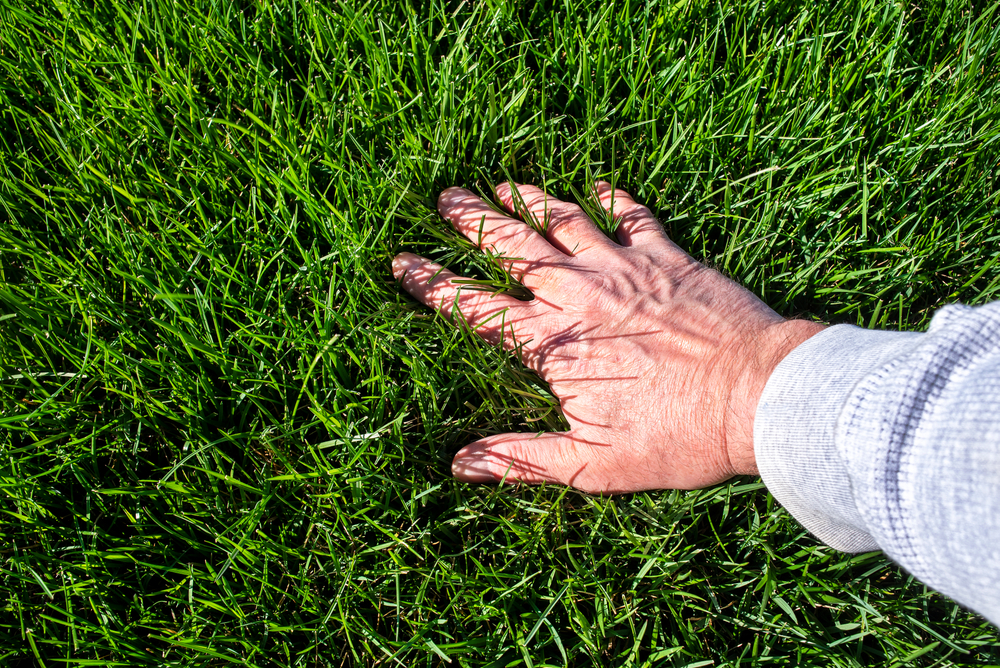
The Adirondack Foothills region presents unique challenges for homeowners who want to maintain a lush, healthy lawn. This area of upstate New York experiences distinct seasonal changes, variable soil conditions, and specific climate patterns that demand a tailored approach to lawn care. Many residents struggle because they apply generic lawn care advice that simply does not work for this particular region. By understanding the common mistakes people make and how to avoid them, you can transform your yard into a source of pride while preserving the natural beauty of the Adirondack area.
Ignoring Your Local Soil Composition
One of the most critical mistakes homeowners make in the Adirondack Foothills is failing to test their soil before implementing a lawn care plan. The soil in this region varies significantly, with some areas featuring acidic conditions that result from the glacial geology underlying the landscape. Many yards contain clay, rocky soil that does not support healthy grass growth without proper amendment.
Before you invest time and money in fertilizers, seed, or other treatments, you should conduct a soil test through your local cooperative extension office. A professional soil analysis will reveal your soil’s pH level, nutrient content, and composition. Armed with this information, you can make informed decisions about what your lawn actually needs rather than guessing or applying treatments that might worsen the situation.
The Adirondack Foothills often have naturally acidic soil, which means lime application may be necessary to raise the pH to levels where grass can thrive. Conversely, some properties have soil that is already neutral or slightly alkaline. Applying lime to soil that does not need it wastes money and can actually harm your lawn. Similarly, failing to add organic matter to poor soil means your grass will struggle regardless of how much fertilizer you apply. Testing takes the guesswork out of lawn care and sets you on the path to success.
Mowing at Incorrect Heights and Frequencies
Another widespread mistake involves mowing practices that are not suited to the Adirondack Foothills climate and grass types that grow well here. Many homeowners mow their lawns too short, thinking that a closely cropped yard looks neater or will require less frequent mowing. In reality, mowing too short weakens grass plants and makes them more susceptible to stress from heat, drought, cold, and disease.
For cool-season grasses that thrive in the Adirondack region, you should maintain a height of two and a half to three and a half inches during the growing season. This height allows grass to develop deeper root systems, which help the plant access water and nutrients more effectively. Taller grass also provides shade to the soil surface, which helps prevent weeds from establishing and reduces moisture loss during warm weather.
The frequency of mowing should follow the one-third rule: never remove more than one-third of the blade height in a single mowing. If your grass reaches four inches, you should mow when it reaches three inches. If you skip mowing for extended periods and your grass grows to six inches, you should mow back to four inches, not down to one inch. Cutting too much grass at once causes stress and can lead to browning and damage.
Spring and early fall are peak growing seasons in the Adirondack Foothills, which means you may need to mow weekly during these periods. Summer mowing frequency may decrease slightly if rainfall is limited. Never mow during extremely hot weather when grass is under stress. Additionally, leaving grass clippings on your lawn (mulching) returns valuable nutrients to the soil and reduces the need for chemical fertilizers.
Neglecting Seasonal Timing for Treatments
The timing of lawn treatments in the Adirondack Foothills is crucial because the region’s climate creates specific windows when various treatments will be effective. Many homeowners apply treatments at the wrong time of year, which wastes effort and money while failing to solve problems.
Fall is arguably the most important season for lawn care in this region. Early fall, typically late August through September, is when you should overseed thin or damaged areas, apply lime if your soil test indicates it is needed, and begin a fertilization program that supports winter hardiness. Cool-season grasses grow most vigorously during fall when soil temperatures drop but air temperatures remain mild. Treatments applied in fall pay dividends the following year because the grass becomes stronger and more resilient.
Spring presents another important opportunity, but it also presents pitfalls. While spring seems like an obvious time to start lawn care, early spring applications of weed killers and crabgrass preventers should be timed carefully based on soil temperature. Applying these treatments too early or too late reduces their effectiveness. Similarly, spring is not the ideal time to overseed or apply major fertilizer treatments because heat and drought will stress newly developing grass.
Summer in the Adirondack Foothills can bring hot, dry conditions that stress even established grass. Rather than applying treatments during this stressful period, focus on proper watering and maintenance. If you must apply fertilizer in summer, use a light application and follow up with thorough watering. Winter is generally not a time for active lawn care, though late fall fertilization helps grass survive the cold months ahead.
Improper Watering Practices
Water management stands out as a significant area where Adirondack Foothills homeowners often make mistakes. Some people water their lawns too frequently but shallowly, while others neglect watering entirely and assume rainfall will always be sufficient.
The Adirondack Foothills receives adequate annual precipitation, but distribution throughout the year is irregular. Some periods experience drought while others bring excessive rainfall. During dry spells, you need to supplement with irrigation. The key is watering deeply but infrequently. One thorough watering that soaks the soil to a depth of four to six inches encourages deep root growth and builds drought tolerance. Frequent shallow watering encourages shallow roots and makes grass more dependent on regular watering.
Early morning watering is ideal because it allows grass to absorb moisture during the day while minimizing disease risk. Watering in evening or at night can promote fungal diseases because grass remains wet for extended periods. Most established lawns need one to one and a half inches of water per week during the growing season, including rainfall. You can measure this using a simple rain gauge placed in your yard.
During spring and fall, when temperatures are cool and growth is vigorous, grass may need less supplemental water because evaporation rates are lower. Summer heat increases water needs. During established dormancy in winter, lawn grass does not need supplemental watering. Overwatering wastes water, increases disease risk, and can leach nutrients from the soil.
Overlooking Disease and Pest Issues
The cool, moist conditions that characterize parts of the Adirondack Foothills create an environment where certain lawn diseases and pests thrive if not properly managed. Many homeowners do not notice problems until significant damage has occurred.
Common diseases in this region include snow mold, which damages grass under snow cover during winter and early spring, and various fungal diseases like brown patch and dollar spot. These diseases are more likely to develop in lawns that are poorly maintained, receive too much nitrogen fertilizer, or are not mowed at proper heights. Preventing these diseases through proper cultural practices is far more effective than treating them after they appear.
Insects such as grubs and chinch bugs can damage grass, though they are less prevalent in the Adirondack Foothills than in warmer regions. However, you should monitor your lawn for signs of pest activity. Irregular dead patches, thin areas, or increased animal activity like moles, skunks, or birds digging in your lawn may indicate a pest problem.
Prevention through proper lawn maintenance is your best defense. A thick, healthy lawn where grass is mowed at proper heights, watered correctly, and fertilized appropriately will naturally resist most diseases and pests. If problems do develop, identifying them correctly is essential before applying treatments. Your local cooperative extension office can help diagnose problems and recommend appropriate solutions that are safe for your family and the environment.
Conclusion
Success with lawn care in the Adirondack Foothills requires understanding your specific conditions and avoiding common mistakes. Test your soil, mow properly, time your treatments correctly, water appropriately, and maintain vigilance against disease and pests. By following these guidelines and adapting practices to your local environment, you will develop a lawn that enhances your property while fitting naturally into the beautiful Adirondack landscape.
Need Landscapers in NY?
Welcome to Rand Hill Lawns, Inc.! We are a family-owned and -operated business that has served the Plattsburgh community since 1986. We are your go-to lawn care consultants! Whether you need landscaping, snow removal, excavating, paving, tree removal, stump removal, or fertilizer, we can do it all. We will not stop working until we get the job done for you! We are licensed and have 30 years of experience in lawn care services. Contact us today for a free estimate!
Categorised in: Landscaping