
Which Hardscaping Materials Can Survive a Northern New York Winter Without Cracking?
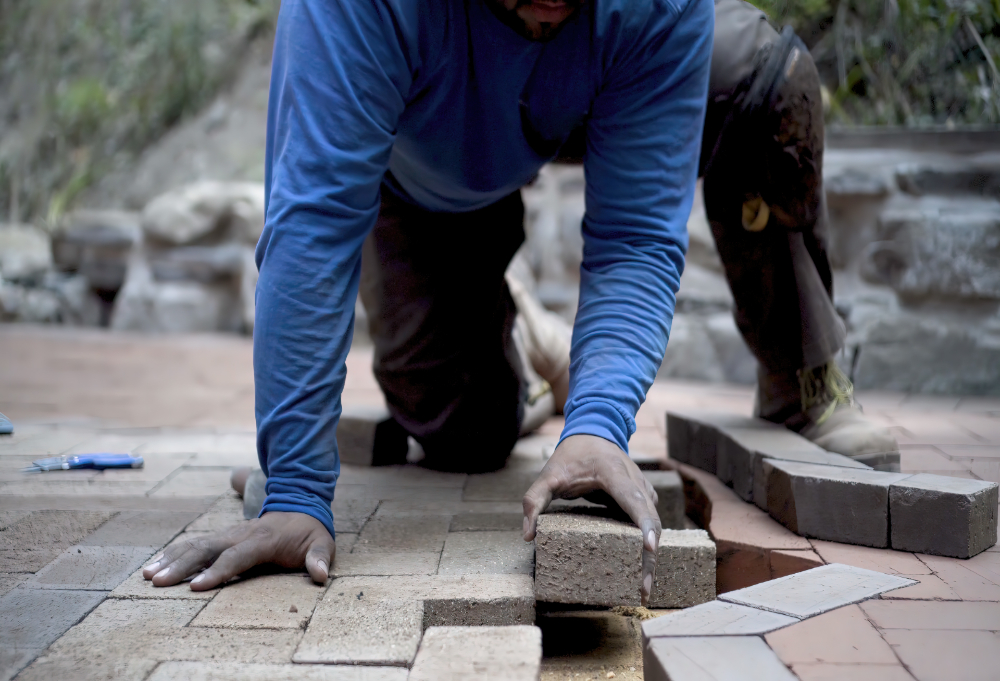
Winter in Clinton County, NY, means months of hard freezes, heavy snowfall, lake-effect storms rolling off Lake Champlain, and frost that drives deep into the ground. For homeowners in Plattsburgh, West Chazy, and surrounding communities, choosing the wrong hardscaping materials is not just a cosmetic mistake. It is an expensive one. Patios crack, retaining walls shift, and walkways buckle when the wrong products meet the wrong climate.
The good news is that the right materials, installed correctly, can hold up for decades even in the most punishing northern New York conditions.
The Freeze-Thaw Cycle and Why It Destroys the Wrong Materials
The core enemy of hardscaping in Clinton County, NY is not simply cold temperatures. It is the freeze-thaw cycle. When water seeps into a porous material and then freezes, it expands by roughly nine percent. That expansion creates internal pressure that can fracture stone, heave pavers, and push retaining walls out of alignment. In a single winter, a surface can go through dozens of these cycles, especially during the shoulder seasons when temperatures swing above and below freezing within a single day.
Materials that absorb a lot of water are the most vulnerable. Cheap concrete pavers with high absorption rates, natural sandstone, and certain untreated bricks are notorious for cracking under these conditions. The solution is to choose freeze-rated pavers and dense materials that limit water absorption, and to ensure that your base preparation is done to a standard that accounts for frost depth. In northern New York, frost can penetrate the ground anywhere from three to five feet, which means a properly engineered gravel base is not optional. It is the foundation of everything.
The Best Hardscaping Materials for Cold Climates in Northern New York
When it comes to surviving winters in places like Plattsburgh and West Chazy, not all hardscaping materials are created equal. Here is a breakdown of the top performers.
Concrete pavers manufactured to meet freeze-thaw standards are among the most reliable choices available. Freeze-rated pavers are specifically engineered with low water absorption rates, typically below five percent, which dramatically reduces the risk of internal cracking during cold cycles. Manufacturers like Unilock, Belgard, and Techo-Bloc all produce lines explicitly rated for harsh northern climates. These products are tested to ASTM standards for freeze-thaw durability, making them a dependable choice for patios, driveways, and walkways throughout Clinton County, NY.
Natural granite and bluestone are two natural stone options that perform well in cold climates when properly sourced and sealed. Granite in particular is extremely dense with very low porosity, making it naturally resistant to water infiltration and frost damage. Bluestone, a type of sandstone quarried heavily in New York State, is a popular regional choice, but it must be selected carefully. Thicker cuts and dense varieties hold up well; thinner or lower-quality bluestone can delaminate after repeated freeze-thaw exposure. Always work with a contractor who understands the difference.
Porcelain pavers have gained significant popularity in cold-climate hardscaping over the last decade. These pavers are fired at extremely high temperatures during manufacturing, which makes them nearly impervious to water absorption. Their absorption rates are often below 0.5 percent, making them one of the most freeze-resistant options on the market. They are also resistant to staining and salt damage, which matters in a region where ice melt products are applied heavily from November through March.
For retaining walls for cold climates, segmental retaining wall blocks made from concrete are widely used and trusted in northern New York. These systems are engineered to flex slightly with ground movement, which is a critical property in a region where frost heave puts enormous lateral pressure on walls. Products designed specifically for cold-climate applications include internal drainage channels and batter (backward lean) to handle the forces that freeze-thaw cycles create. Properly installed, these walls can anchor hillsides, create terraced gardens, and define landscape spaces for generations.
Why Base Preparation Is Just as Important as the Material You Choose
Here is something many homeowners overlook when planning a hardscaping project in Clinton County, NY: even the best freeze-rated pavers will fail if the base beneath them is inadequate. The base is what separates a patio that lasts twenty years from one that needs repairs after the first hard winter.
A properly prepared base for cold-climate hardscaping typically involves excavating down below the frost line, or at minimum to a depth that allows for sufficient compacted gravel. A four to eight inch layer of compacted crushed stone provides the drainage and stability that northern New York soils require. On top of that, a layer of concrete sand is screeded level before pavers are set. This entire system allows water to drain downward rather than pooling beneath the surface where it can freeze and cause heaving.
Drainage planning is equally critical. Hardscaping that does not direct water away from the installed surface will always be fighting a losing battle against winter conditions. Grading, French drains, and proper edge restraints all play a role in keeping a patio or walkway looking like it did on installation day, even after years of harsh winters.
Permeable Patio Installation as a Cold-Climate Strategy
One increasingly popular approach to hardscaping in northern New York is permeable patio installation. Unlike traditional solid-surface patios, permeable systems are designed to allow water to pass through the surface and into a carefully engineered aggregate base below. This approach dramatically reduces the amount of water that can pool, freeze, and cause surface damage.
Permeable paving systems use specially designed pavers or open-jointed units filled with stone aggregate rather than traditional jointing sand. The result is a surface that handles rain and snowmelt by directing it downward rather than letting it sit and refreeze. For homeowners in Plattsburgh and West Chazy who have noticed water pooling on or around their patios during spring thaws, a permeable patio installation can solve both the aesthetic and structural problems at once.
Beyond their performance benefits, permeable systems are also recognized for their environmental advantages. They reduce stormwater runoff, support groundwater recharge, and can help properties comply with local drainage regulations. In areas near Lake Champlain where runoff management is an ongoing conversation, permeable hardscaping is a choice that benefits both the individual property and the broader watershed.
Working With a Local Contractor Who Knows Northern New York Conditions
The best material in the world will not perform well if it is installed by someone unfamiliar with the specific demands of Clinton County, NY winters. Local experience matters enormously in cold-climate hardscaping. A contractor based in or near Plattsburgh or West Chazy has seen firsthand what works and what fails. They understand local frost depths, soil conditions, drainage patterns, and the particular way lake-effect moisture interacts with hardscaping surfaces.
When evaluating contractors for retaining walls for cold climates, permeable patio installation, or any other hardscaping project, ask directly about their experience with freeze-rated pavers and cold-climate base preparation. Ask to see examples of projects they have completed locally and how those projects have held up over multiple winters. A reputable contractor will welcome those questions and be able to give you concrete, specific answers.
Material selection should also be a collaborative conversation. A good contractor will help you weigh the upfront cost of premium freeze-rated pavers or porcelain against the long-term savings of not having to repair or replace cracked surfaces every few years.
Conclusion
Surviving a northern New York winter without cracking comes down to three things: choosing materials rated for freeze-thaw conditions, building a base engineered for the local frost depth, and working with someone who understands Clinton County, NY from experience. Whether you are planning a new patio in Plattsburgh, a retaining wall in West Chazy, or a permeable patio installation that protects your property year-round, the investment in quality hardscaping pays for itself in durability and peace of mind.
Need Landscapers in NY?
Welcome to Rand Hill Lawns, Inc.! We are a family-owned and -operated business that has served the Plattsburgh community since 1986. We are your go-to lawn care consultants! Whether you need landscaping, snow removal, excavating, paving, tree removal, stump removal, or fertilizer, we can do it all. We will not stop working until we get the job done for you! We are licensed and have 30 years of experience in lawn care services. Contact us today for a free estimate!
Categorised in: Hardscaping