
Fall Winterizer Fertilizer in Plattsburgh and West Chazy: When to Feed the Lawn Before the Ground Freezes
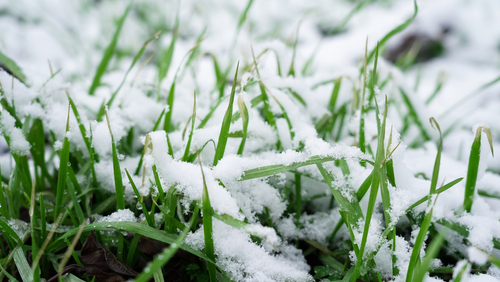
Fall moves quickly in the North Country. A lawn can still be green and growing in September, then face cold nights, falling leaves, and steadily cooling soil only a few weeks later. For homeowners in Plattsburgh and West Chazy, that makes the timing of a fall winterizer fertilizer application especially important.
The goal is not simply to feed the lawn before winter. The goal is to apply nutrients while cool-season grass can still use them and before frozen soil, snow cover, or late-season conditions make fertilization ineffective or inappropriate.
Quick answer: For most established cool-season lawns in the Plattsburgh area, early fall is the most dependable time to fertilize. Cornell turf guidance identifies September as an especially valuable feeding period for New York lawns because grass is actively recovering from summer stress and building roots and stored energy. A later application may sometimes be appropriate while the turf and soil conditions remain suitable, but homeowners should not wait for the ground to freeze before deciding to act. New York prohibits lawn fertilizer applications from December 1 through April 1.
What local homeowners should know
-
September is a key fall feeding period for cool-season lawns throughout northern New York.
-
Plattsburgh and West Chazy lawns can move from active fall growth toward cold-weather dormancy quickly, so waiting for a calendar deadline can mean missing useful growing conditions.
-
Grass roots can remain active after visible top growth slows, continuing until the soil freezes.
-
Fertilizer should never be applied to frozen or waterlogged ground, and New York law prohibits lawn fertilizer applications between December 1 and April 1.
-
A soil test can help determine whether nutrients such as phosphorus or potassium are actually needed instead of choosing a fertilizer solely because the bag is labeled “winterizer.”
Why Does Fall Fertilizer Timing Matter in Plattsburgh and West Chazy?
Fall fertilizer timing matters in Plattsburgh and West Chazy because cool-season turf uses the cooler growing period to recover from summer stress, strengthen roots, and store energy before winter dormancy. Applying fertilizer too early, too late, or when the lawn does not need it can reduce the value of the treatment.
Lawns across Clinton County experience a distinctly northern growing season. Properties near Lake Champlain may encounter conditions that differ somewhat from more inland yards toward West Chazy, Morrisonville, or Beekmantown, but all face a relatively short transition between fall growth and winter weather.
Cornell University recommends early fall as the most important fertilization period for many New York lawns. September nitrogen can support turf density and recovery by encouraging tillering and other growth that helps the lawn enter winter in better condition.
At Rand Hill Lawns Inc, we understand that good lawn care in the North Country depends on responding to actual turf and weather conditions rather than treating every property according to the same date on the calendar.
What Does Cornell Guidance Say About Fall Lawn Feeding?
Cornell guidance supports early fall feeding for cool-season turf, with September identified as the best or most important application period in several lawn-care resources. Later feeding requires more careful timing because grass growth, soil temperature, nutrient uptake, and environmental risks change as winter approaches.
Cornell notes that cool-season grass top growth continues until average daily temperatures remain consistently below about 50 degrees Fahrenheit, while root growth can continue until the soil freezes. That distinction explains why a lawn may still be physiologically active even after mowing frequency begins to decline.
New York Department of Environmental Conservation guidance also emphasizes avoiding unnecessary late-season nitrogen and applying nutrients only under appropriate conditions. State guidance prohibits fertilizer application to lawns from December 1 through April 1.
How Does Winterizer Fertilizer Affect a North Country Lawn?
Winterizer fertilizer supports a North Country lawn by supplying appropriate nutrients during the period when cool-season grass is preparing for winter and building reserves for future growth. The useful result comes from proper nutrient selection and timing, not from the word “winterizer” printed on the fertilizer bag.
A properly timed fall treatment can support root development, turf density, winter survival, and spring green-up. Cornell emphasizes that deep, extensive roots help cool-season grass withstand winter and can also make turf less vulnerable to later drought, insects, and disease.
That does not mean every lawn from Cumberland Head to West Chazy needs the same fertilizer. Soil condition, lawn history, grass density, shade, clipping management, and previous applications all matter.
What Are the Signs a Lawn May Need Fall Attention?
A lawn may need fall attention when it enters September thin, pale, uneven, or slow to recover from summer stress, particularly if those symptoms appear across larger areas rather than in one isolated patch.
Watch for:
-
Thin turf that leaves visible soil between grass plants.
-
Weak recovery after summer heat or dry periods.
-
Pale color that persists despite adequate moisture.
-
Bare or worn areas caused by regular foot traffic.
-
Uneven growth across sunny and shaded portions of the property.
-
Weed pressure taking advantage of open spaces in the turf.
-
Areas where previous fertilizer applications produced inconsistent results.
-
A lawn-care history with no soil testing or nutrient plan.
Not every symptom means the lawn needs more fertilizer. Compaction, poor drainage, excessive shade, mowing practices, insects, disease, or unsuitable soil conditions can produce similar symptoms.
When Should You Call a Lawn Care Professional?
You should call a lawn care professional when you are unsure what the lawn needs, when previous fertilizer treatments have produced poor results, or when thinning and discoloration could have causes other than nutrient deficiency.
Homeowners can safely monitor mowing frequency, color, moisture, drainage, and general turf density. They can also arrange for soil testing when nutrient or pH questions arise.
Professional help becomes more useful when the lawn has several overlapping concerns. A property in Plattsburgh might have compacted high-traffic areas, shaded turf near mature trees, and sunny sections that dried out during summer. Treating every section identically may not address the actual problem.
What Common Local Conditions Affect Fall Lawn Fertilization?
The most common local conditions affecting fall fertilization are cooling temperatures, summer-stressed turf, variable soil moisture, shade, and the rapidly narrowing period between active growth and frozen ground.
1. Cooling temperatures: Cool-season grass responds favorably to autumn weather, but nutrient uptake and growth decline as conditions approach winter dormancy.
2. Summer stress: Grass weakened during hot or dry stretches may need time and proper care to recover before winter.
3. Soil moisture: Fertilizer should not be applied to saturated, waterlogged, or frozen soil.
4. Leaf cover: Heavy leaf accumulation can shade turf and interfere with normal fall lawn care. Mulching leaves when practical can return organic matter to the lawn.
5. Property variation: Conditions near Lake Champlain can differ from inland properties around West Chazy, Beekmantown, and Morrisonville, so actual lawn conditions matter more than relying on one universal date.
How Can You Prepare Your Lawn for Winter?
You can prepare your lawn for winter by timing fertilization while grass is still active, mowing properly, managing leaves, avoiding unnecessary nutrient applications, and keeping fertilizer away from pavement and surface water.
Cornell recommends mowing high enough to support a deeper root system and returning clippings when practical. Grass clippings recycle nutrients and may reduce the amount of additional nitrogen a lawn requires.
Homeowners should also sweep fertilizer granules off driveways, sidewalks, and other hard surfaces instead of washing them away. New York restrictions limit phosphorus use on established lawns unless a soil test indicates a need or the fertilizer is being used to establish new turf during its first growing season.
What Results Can You Expect From Fall Fertilization?
You can expect properly timed fall fertilization to support turf recovery and root development rather than produce an instant transformation before snowfall. The greatest benefits may become apparent through stronger fall density, better winter preparation, and healthier growth when the lawn resumes activity.
Results vary according to grass condition, soil, weather, nutrient needs, mowing practices, and existing lawn problems. Fertilizer cannot correct severe compaction, drainage problems, heavy shade, insect injury, or other underlying conditions by itself.
What Fall Fertilizer Mistakes Should Local Homeowners Avoid?
The biggest fall fertilizer mistakes are waiting too long, applying nutrients the soil does not need, using too much product, and treating stressed or unsuitable turf as though fertilizer alone will solve the problem.
Mistake: Waiting for the first hard freeze.
Consequence: The useful application window may already be closing.
Better approach: Evaluate the lawn during September and early fall while cool-season turf is actively recovering.
Mistake: Assuming more fertilizer means better winter protection.
Consequence: Excess nutrients can be wasted and increase environmental risk.
Better approach: Follow product rates and base nutrient choices on the lawn’s actual needs.
Mistake: Choosing fertilizer only because it says “winterizer.”
Consequence: The nutrient analysis may not match the soil or turf.
Better approach: Consider soil testing and the fertilizer label.
Mistake: Spreading granules onto pavement.
Consequence: Nutrients can wash into storm drains or waterways.
Better approach: Sweep stray granules back onto the lawn immediately.
What Is a Common Fall Lawn Scenario in Clinton County?
A common Clinton County scenario is a lawn that looks tired at the end of August but begins growing again once cooler September weather arrives. The homeowner may assume it is already too late to fertilize because winter feels close, even though the turf has entered one of its most important recovery periods.
In this situation, the better approach is to evaluate the lawn’s condition, previous treatments, soil needs, and current growth rather than automatically waiting until late October or November.
What Lawn Care Services Can Support Fall Turf Health?
Fall lawn care services can support turf health by matching fertilization and seasonal maintenance to the condition of the property rather than relying on a one-size-fits-all application schedule.
Our approach can account for how the lawn performed through summer, whether turf density is declining, and whether other lawn issues should be addressed alongside seasonal feeding.
Is DIY Fertilization or Professional Lawn Care the Better Choice?
DIY fertilization can work for homeowners who accurately measure the lawn, understand the fertilizer analysis, calibrate their spreader, follow New York requirements, and recognize when a turf problem is not nutrient-related. Professional service can be more appropriate when the lawn has multiple issues or requires a coordinated seasonal plan.
A DIY application may appear straightforward, but applying the wrong amount or treating a lawn at the wrong time can reduce the benefit. Professional lawn care also gives homeowners another set of eyes on problems such as thinning, weeds, uneven growth, or stress that might otherwise be mistaken for a fertilizer deficiency.
Where Do We Provide Local Lawn Care?
We serve lawns in the Plattsburgh and West Chazy area and work with North Country property conditions where seasonal timing can make a major difference in lawn-care decisions. Nearby communities such as Beekmantown, Morrisonville, and other parts of Clinton County experience many of the same fall turf challenges.
What Can Happen If You Wait Too Long to Fertilize?
Waiting too long can mean missing the period when the lawn can make effective use of a fall application, especially once soil freezes or winter conditions arrive. Applying fertilizer simply because there is still time on the calendar is not a substitute for evaluating turf growth and soil conditions.
Late applications also need to comply with New York’s nutrient runoff requirements. Lawn fertilizer containing nitrogen, phosphorus, or potassium may not be applied between December 1 and April 1.
FAQ
When should I apply winterizer fertilizer in Plattsburgh?
The most dependable fall feeding period in Plattsburgh begins in early fall, with September receiving strong support from Cornell guidance for cool-season lawns. Later applications require closer attention to grass growth, soil temperature, weather, and nutrient needs. Do not apply fertilizer to frozen ground or during New York’s December 1 through April 1 prohibition.
Is October too late to fertilize a lawn in West Chazy?
October is not automatically too late in West Chazy, but the decision should depend on actual turf and soil conditions rather than the month alone. Cornell notes that fall growth can continue while temperatures remain favorable, although late-season fertilizer timing becomes increasingly important as the soil cools and winter approaches.
Should I fertilize before or after the first frost in Clinton County?
A first frost by itself is not the best trigger for fertilization in Clinton County. Grass growth and soil conditions are more useful indicators. Cool-season turf roots can remain active after top growth slows, but fertilizer should never be applied to frozen soil. Earlier fall feeding is generally easier to time effectively.
Does every Plattsburgh lawn need winterizer fertilizer?
No, every Plattsburgh lawn does not automatically need a winterizer application. Established lawns that receive recycled clippings, have adequate fertility, or show healthy growth may need less supplemental fertilizer. Soil testing and the lawn’s maintenance history can help determine whether additional nutrients are appropriate.
What fertilizer should I use on a West Chazy lawn in fall?
The right fertilizer for a West Chazy lawn depends on the lawn’s nutrient needs rather than simply choosing a bag labeled for fall. Cornell recommends using soil test information when selecting phosphorus or potassium. New York generally restricts phosphorus fertilizer on established lawns unless testing shows it is needed.
Can I fertilize after the ground starts freezing?
No, fertilizer should not be applied to frozen ground. Once the soil freezes, the lawn cannot use nutrients normally and runoff risk increases. New York also prohibits lawn fertilizer applications from December 1 through April 1, regardless of whether a particular property happens to be snow-free on a given winter day.
Why is September important for North Country lawns?
September is important because cool-season grass typically resumes stronger growth as temperatures moderate after summer. Cornell identifies early fall as a major feeding period because adequate nutrients can support turf density, recovery, root development, and carbohydrate storage that helps grass prepare for winter and future spring growth.
Can fall fertilizer fix a thin lawn before winter?
Fall fertilizer can support a thin lawn when nutrient availability is part of the problem, but it cannot correct every cause of thinning. Compaction, shade, drainage, insects, disease, poor soil, and traffic can all contribute. A lawn that remains thin after routine feeding may need a broader evaluation before additional fertilizer is applied.
Prepare Your North Country Lawn Before Winter Sets In
Fall lawn feeding works best when it is treated as part of a seasonal lawn-care plan, not as a last-minute task before snowfall. We can help evaluate the timing and lawn conditions so your property enters the North Country winter with appropriate care behind it.
Categorised in: Fertilization