
Lawn Installation in West Chazy: Sod vs. Seed Before the Ground Freezes
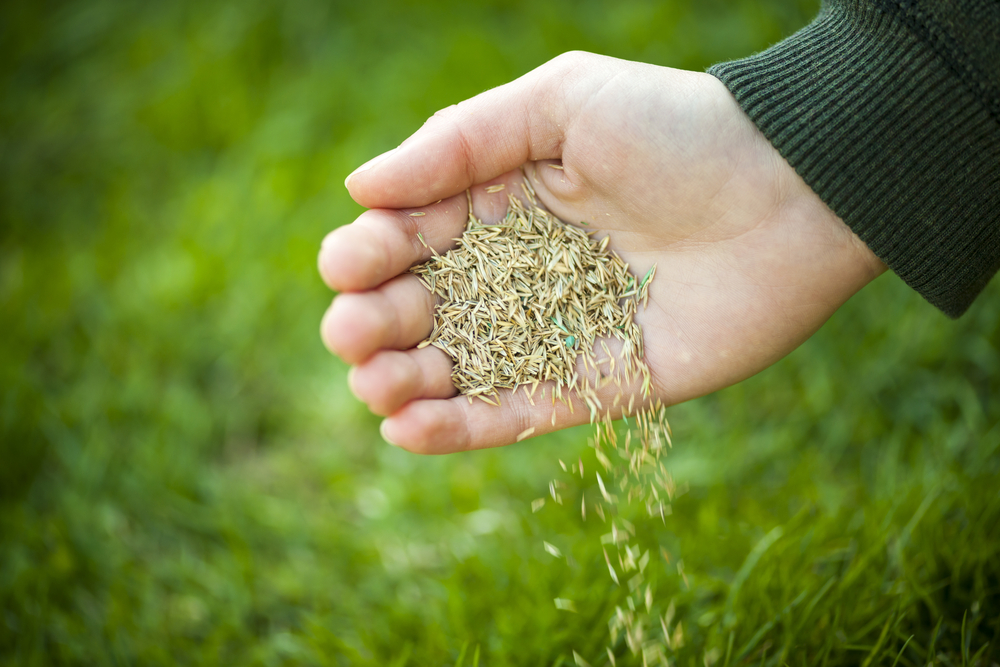
Fall lawn installation in West Chazy, NY, comes with a limited window of opportunity. As temperatures drop across Clinton County and the northern Champlain Valley, homeowners must decide whether to install sod for immediate coverage or plant grass seed and allow it to establish before winter. Choosing the wrong method or waiting too long can leave a new lawn vulnerable to freezing temperatures, erosion, and poor spring growth.
Quick Answer: Sod is generally the better option when West Chazy homeowners need immediate lawn coverage late in the fall, provided the soil is still workable and roots have time to establish. Grass seed is more affordable for larger areas but needs adequate soil warmth, moisture, and growing time before winter. If temperatures are already too low for reliable germination, dormant seeding may be an alternative. The best choice depends on soil conditions, installation timing, budget, and the property’s drainage.
What West Chazy Homeowners Should Know
-
Fall temperatures matter: Northern New York’s cooling soil temperatures can slow grass germination and root establishment before winter.
-
Sod provides immediate coverage: Newly installed sod can protect exposed soil sooner than seed, although it still needs time to root.
-
Seeding requires patience: Cool-season grasses commonly used in Clinton County establish best when soil conditions support germination and continued growth.
-
Drainage affects success: Properties near Lake Champlain and throughout the Champlain Valley may experience varying soil moisture and drainage conditions that influence installation.
-
Ground conditions set the deadline: Frozen, saturated, or poorly prepared soil can interfere with both sod installation and seeding.
For homeowners planning a new lawn, understanding these differences can help prevent wasted materials, uneven growth, and additional work in spring.
At Rand Hill Lawns Inc., we understand that lawn installation decisions should account for local growing conditions, property needs, and seasonal timing. Our goal is to help homeowners understand their options before winter weather limits what can be accomplished.
Local Data and Seasonal Observations: How Fall Weather Affects Lawn Installation
Fall lawn installation in West Chazy is influenced by shortening daylight, declining soil temperatures, and the arrival of freezing conditions across northern Clinton County. Cool-season grasses can grow well during favorable autumn weather, but the available establishment window becomes smaller as winter approaches.
West Chazy sits in a region where seasonal changes can arrive quickly. Communities such as Chazy, Beekmantown, and Champlain experience cold winters, recurring freeze-thaw conditions, and spring snowmelt that can affect newly established turf.
The National Weather Service provides regional temperature and frost information that can help homeowners monitor changing conditions. However, air temperature alone does not determine whether sod or seed will succeed.
Soil temperature is especially important. Many cool-season grass seeds germinate most reliably when soil temperatures are approximately 50°F to 65°F, although the ideal range varies by species.
As temperatures fall below favorable germination conditions, seed emergence slows. Sod can sometimes be installed later because it already contains mature grass plants, but its roots still need suitable soil conditions to establish.
These seasonal patterns make installation timing just as important as the material selected.
Local Impact: Why Choosing Sod or Seed Matters Before Winter
Choosing between sod and seed before winter affects how quickly a West Chazy lawn develops coverage, resists erosion, and prepares for spring growth. Both methods can produce healthy turf, but they create different short-term conditions on the property.
For homeowners with exposed soil, sod provides an immediate layer of grass that helps reduce surface erosion. This can be useful on sloped yards, around newly constructed homes, or where recent grading has disturbed the ground.
Seed requires more time before the lawn provides comparable coverage. Heavy autumn rain, runoff, or early snowmelt can move seed or disturb unprotected soil.
Cost is another consideration. Sod generally requires a higher initial investment because the grass has already been grown and harvested. Seeding typically costs less in materials but may require additional watering, weed management, and repair of thin areas.
For local property owners, the decision often comes down to balancing immediate results against long-term budget and establishment conditions.
Warning Signs That Your Lawn Installation Window Is Closing
The lawn installation window is closing when soil temperatures fall, growth slows, and conditions become less favorable for establishing new grass before winter. Homeowners in West Chazy should watch for these signs:
-
Repeated overnight freezes: Frequent freezing temperatures can indicate that the soil is cooling toward conditions that slow root growth and seed germination.
-
Cold soil temperatures: Soil consistently below the preferred germination range may delay or prevent normal seed establishment.
-
Standing water: Saturated ground can interfere with grading, soil preparation, and healthy root development.
-
Persistent bare areas: Exposed soil that has not developed grass coverage may be vulnerable to runoff and erosion.
-
Slow seed germination: Seed remaining dormant longer than expected may indicate insufficient warmth, moisture problems, or other unfavorable conditions.
-
Limited remaining growing time: A forecast of steadily declining temperatures may leave insufficient time for young grass to establish.
-
Compacted or frozen soil: Hard ground makes it difficult to prepare a suitable seedbed or achieve proper sod-to-soil contact.
These conditions do not automatically rule out every installation method. They do indicate that the project deserves closer evaluation.
When to Call a Professional for Fall Lawn Installation
Professional lawn installation guidance is especially valuable when West Chazy homeowners are working with a narrow fall installation window, difficult drainage, or significant soil preparation needs. A site assessment can help determine whether immediate installation, dormant seeding, or waiting until spring makes the most sense.
Homeowners can safely monitor soil moisture, measure soil temperature, and observe how water moves across their yards.
However, larger projects may involve grading, removing existing vegetation, correcting uneven surfaces, and selecting grass varieties suited to local conditions.
Professional assistance is particularly useful when a property has steep slopes, recurring pooling, heavily compacted soil, or extensive bare areas.
We recommend evaluating the soil and intended use of the lawn before choosing an installation method solely based on appearance or price.
Common Local Causes of Poor Lawn Establishment
Poor lawn establishment in northern Clinton County is commonly associated with unfavorable timing, inadequate soil preparation, inconsistent moisture, and drainage problems. These issues can affect sod and seed differently.
1. Installing Too Late in the Season
Late seeding may not allow enough time for germination and root development before freezing weather. Sod can tolerate a different installation schedule, but roots may remain poorly established if soil temperatures become too cold.
2. Compacted Soil
Construction activity, vehicle traffic, and repeated use can compact soil. Compaction reduces pore space, limits root growth, and interferes with water movement.
3. Poor Drainage
Low areas may collect water during autumn rain or spring snowmelt. Excessive moisture can reduce oxygen availability around developing roots.
4. Inappropriate Grass Selection
Cool-season grasses such as Kentucky bluegrass, perennial ryegrass, and fine fescues have different germination rates, maintenance requirements, and shade tolerances.
Selecting an appropriate blend is important for northern New York lawns.
5. Inconsistent Watering
New sod and seed both require adequate moisture. Too little water can prevent establishment, while excessive irrigation may create runoff or saturated soil.
Addressing these causes before installation improves the chances of developing healthy turf.
Prevention and Maintenance: Preparing a Lawn for Winter
Preparing a newly installed lawn for winter in West Chazy requires proper soil preparation, appropriate watering, limited foot traffic, and realistic expectations about fall growth. The objective is to support establishment without creating additional stress before freezing conditions arrive.
For seeded lawns, homeowners should prepare a firm, level seedbed with good seed-to-soil contact. Seed should be selected for the site’s sunlight, drainage, and intended use.
For sod, the underlying soil should be properly graded and prepared before installation. Sod should fit tightly against neighboring pieces without overlapping or leaving gaps.
After installation, keep the soil appropriately moist while avoiding standing water.
Additional maintenance considerations include:
-
Keep heavy equipment and unnecessary foot traffic off newly installed turf.
-
Monitor moisture carefully during dry fall periods.
-
Avoid excessive nitrogen fertilizer late in the growing season.
-
Remove thick accumulations of fallen leaves that block light and trap moisture.
-
Follow soil test recommendations before applying lime or fertilizer.
Cornell Cooperative Extension resources can provide regionally relevant guidance on soil testing and cool-season turf management.
As freezing weather approaches, watering and maintenance should reflect actual soil conditions rather than a fixed calendar schedule.
Expected Results: What Sod and Seed Look Like Before Spring
Sod typically provides an immediately green appearance, while seeded lawns develop coverage gradually and may not fully establish before winter. In West Chazy, the amount of growth achieved depends on installation timing, grass species, weather, and soil preparation.
Fresh sod can make a bare yard look finished shortly after installation. However, visible coverage does not mean the roots have anchored securely.
Successful rooting requires sufficient time, moisture, and suitable soil temperatures.
Seeded lawns may develop visible seedlings within days or weeks under favorable conditions, depending on the grass variety. Kentucky bluegrass generally germinates more slowly than perennial ryegrass.
Late-season seeding may produce little visible growth before winter, especially when dormant seeding is intentionally used.
Neither method guarantees a fully established lawn by spring. Some areas may require monitoring, light repair, or overseeding once active growth resumes.
Common Mistakes When Installing a Lawn in Late Fall
The most common late-fall lawn installation mistakes involve rushing installation, overlooking soil conditions, and expecting new grass to establish despite declining temperatures. Avoiding these mistakes can reduce unnecessary expenses and spring repairs.
Mistake: Planting seed just before repeated hard freezes.
Consequence: Seed may fail to germinate or seedlings may enter winter without sufficient development.
Better approach: Check soil temperatures and consider whether dormant seeding or spring installation would be more appropriate.
Mistake: Installing sod over compacted ground.
Consequence: Poor soil contact and restricted rooting can interfere with establishment.
Better approach: Prepare and grade the soil before laying sod.
Mistake: Watering without checking soil moisture.
Consequence: Excess water can create saturated conditions, while insufficient water can dry out sod or seed.
Better approach: Adjust irrigation to rainfall, soil drainage, and the grass’s establishment stage.
Mistake: Choosing grass based only on appearance.
Consequence: The lawn may struggle with shade, traffic, or site conditions.
Better approach: Match grass varieties to the property and local growing environment.
Common Local Scenario: A Bare Yard in Late October
A common late-October lawn installation scenario in West Chazy involves a homeowner with a recently graded yard who wants grass coverage before winter. The property may have exposed soil, uneven moisture, and limited remaining growing time.
Consider a hypothetical home near the Chazy River corridor where grading work has left a large section of bare ground.
Traditional seeding may be less reliable if soil temperatures are already too low for germination and sustained growth.
Sod could provide immediate coverage if the ground remains workable, drainage is suitable, and sufficient rooting conditions remain. However, installing sod immediately before the soil freezes still carries establishment risks.
Dormant seeding may also be considered when conditions are appropriate. In this approach, seed is applied after soil temperatures have dropped enough to prevent fall germination, allowing it to remain in place until spring conditions improve.
The best option depends on site conditions, not simply the date.
This example illustrates why evaluating the property before installation is more useful than following a universal fall deadline.
Related Service Solutions for New Lawn Installation
The most effective lawn installation solutions address soil preparation, grass selection, drainage, and seasonal timing together. West Chazy property owners can benefit from considering the entire installation process rather than treating sod or seed as a standalone purchase.
Depending on the property’s needs, a lawn installation plan may involve removing unwanted vegetation, preparing the soil, correcting minor grading issues, and choosing an appropriate establishment method.
Sod installation may be suitable when immediate coverage is a priority and conditions support rooting.
Seeding may be appropriate when there is sufficient growing time or when a properly planned dormant-seeding approach is suitable.
For existing lawns with thin or damaged areas, targeted reseeding or renovation may be more practical than replacing the entire lawn.
Comparing Your Options: Sod vs. Seed in West Chazy
Sod is generally the faster option for visible lawn coverage, while seed offers a lower-cost approach with more flexibility in grass selection. The better choice depends on how quickly coverage is needed and whether northern New York’s fall conditions support establishment.
| Factor | Sod Installation | Grass Seeding |
|---|---|---|
| Initial cost | Higher | Lower |
| Visible coverage | Immediate | Gradual |
| Establishment | Requires rooting | Requires germination and rooting |
| Late-fall suitability | Possible while soil remains workable, with rooting risks | Limited for conventional seeding as soil cools |
| Erosion protection | Immediate surface coverage | Limited until turf develops |
| Grass selection | Limited to available sod varieties | Wider variety of seed blends |
| Watering | Consistent moisture during rooting | Consistent moisture during germination |
| Spring maintenance | Inspect for rooting and winter damage | Inspect for thin areas and germination |
For properties needing rapid stabilization of exposed soil, sod may offer an advantage.
For larger properties where budget is a major consideration, seed may be preferable when the growing season allows adequate establishment.
If winter is approaching too quickly, postponing installation may produce better results than forcing either method into unsuitable conditions.
Service Areas: Lawn Installation Around West Chazy
Lawn installation decisions throughout West Chazy and neighboring Clinton County communities are shaped by the region’s cold winters and relatively short growing season. Homeowners in Chazy, Beekmantown, Champlain, and the greater Plattsburgh area face similar seasonal considerations, although individual soil and drainage conditions vary.
Properties across the northern Champlain Valley benefit from lawn installation plans that reflect local weather patterns and site-specific needs.
Cost of Ignoring Lawn Installation Timing
Ignoring fall lawn installation timing can lead to wasted seed, poorly rooted sod, erosion, and additional repair expenses when spring arrives. In northern New York, exposed soil may also be affected by winter runoff and spring snowmelt.
A lawn installed under unsuitable conditions may develop uneven coverage or require substantial reseeding.
For sod, insufficient rooting before winter can increase vulnerability to drying, shifting, or winter injury.
Waiting is not always the costly choice. Sometimes postponing a project until more favorable conditions return is the most practical way to protect the investment.
The key is making that decision before purchasing materials or beginning extensive site preparation.
FAQ: Lawn Installation in West Chazy
1. Is it too late to install sod in West Chazy in October?
Not necessarily. Sod can sometimes be installed in October if the ground remains workable and soil conditions allow root development. However, colder temperatures slow establishment, and sod laid immediately before freezing may not anchor properly. Soil temperature, drainage, and the forecast should guide the decision rather than the calendar alone.
2. Is sod better than seed for fall lawn installation in Clinton County?
Sod is often better when immediate coverage is needed late in the fall, but it is not automatically the best choice for every Clinton County property. Seed is more economical and allows greater flexibility in grass selection. Installation timing, soil preparation, and available growing conditions determine which approach is more practical.
3. What temperature is too cold for grass seed in West Chazy?
Grass seed germination slows considerably as soil temperatures drop below the preferred range for cool-season grasses, commonly around 50°F to 65°F. Different grass species have different requirements. When soil is too cold for reliable fall germination, dormant seeding may be considered, provided the site is prepared correctly.
4. Will newly installed sod survive a West Chazy winter?
New sod can survive winter, but successful establishment depends on adequate rooting, moisture, and suitable soil conditions before prolonged freezing. Sod installed very late may enter winter without strong root attachment. Proper preparation and careful watering can help, but no installation method eliminates the risks associated with severe winter weather.
5. Is dormant seeding a good option in northern New York?
Dormant seeding can be a useful option when soil temperatures are consistently too low for fall germination but the ground remains suitable for planting. The seed stays dormant until spring conditions encourage growth. Success depends on preventing premature germination, erosion, and seed movement during winter and spring.
6. How long does sod take to root before winter?
Sod may begin developing new roots within the first couple of weeks under favorable growing conditions, but secure establishment takes longer. In cold northern New York soil, rooting can slow substantially. Homeowners should not assume sod is established simply because it looks green after installation.
7. What grass types work best for lawns around West Chazy?
Cool-season grasses such as Kentucky bluegrass, perennial ryegrass, and fine fescues are commonly suitable for northern New York lawns. The ideal selection depends on sunlight, soil conditions, traffic, and maintenance expectations. Blends may offer advantages by combining different growth characteristics and tolerances for local properties.
8. Should I wait until spring to install a new lawn in Clinton County?
Waiting until spring may be the better choice when fall soil conditions no longer support reliable establishment. Spring installation provides another opportunity for growth, although weeds, wet soil, and summer heat can create challenges. Late summer to early fall is generally an especially favorable period for establishing cool-season turf.
9. Does new sod need watering when temperatures are cold?
Yes, newly installed sod may still require water while the soil is unfrozen and roots are establishing. However, irrigation needs generally decline as temperatures cool and evaporation decreases. Homeowners should monitor soil moisture and avoid watering frozen or saturated ground, particularly during periods of frequent autumn rainfall.
10. Can I install a lawn over existing grass before winter?
Installing a new lawn directly over existing grass is generally not recommended without proper preparation. Existing vegetation can interfere with seed-to-soil contact or prevent sod roots from reaching the underlying soil. Removing unwanted vegetation and preparing a suitable growing surface improves the chances of successful establishment.
Plan Your Lawn Installation Before Winter Arrives
A successful lawn starts with choosing the right installation method at the right time. In West Chazy, cooling soil, early freezes, and changing moisture conditions can quickly narrow the options for sod and seed.
Understanding your property’s drainage, soil preparation needs, and remaining growing window can help you make a practical decision that supports healthier turf in the coming season.
Whether sod, traditional seeding, dormant seeding, or spring installation makes the most sense, careful planning is the foundation of lasting results.
Get Your West Chazy Lawn Ready for a Stronger Spring
Make an informed lawn installation decision before northern New York’s freezing weather arrives.
At Rand Hill Lawns Inc., we can help you explore lawn installation considerations and determine the next steps for your property.
Categorised in: Landscaping