
Tree Pruning in Chazy, NY: What to Trim Before Winter, and What to Leave
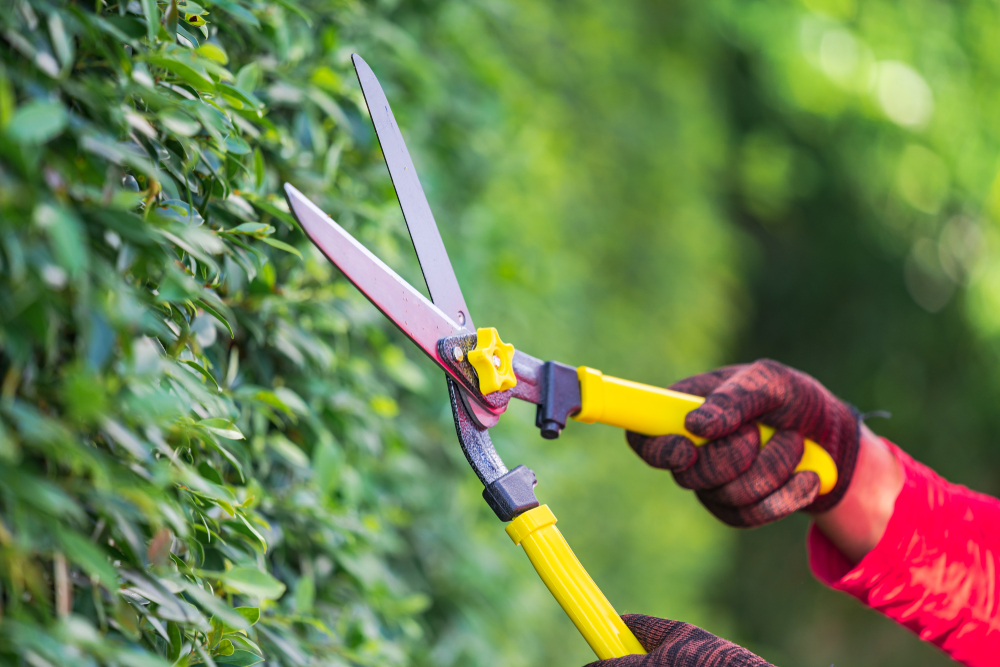
As fall settles over Chazy, NY, homeowners start preparing their properties for freezing temperatures, heavy snow, and winter winds. Trees that looked healthy throughout summer may have weak branches, dead limbs, or overgrown growth that becomes more noticeable once the leaves fall. Knowing what to prune before winter and what to leave alone can help protect your trees, home, and surrounding landscape.
Quick Answer: Before winter in Chazy, NY, focus on removing dead, broken, diseased, or hazardous tree branches. Avoid heavy pruning of healthy limbs, excessive canopy thinning, and unnecessary cuts that could stress trees before prolonged freezing weather. Most major structural pruning is better scheduled during late winter dormancy, depending on the tree species and its condition.
What Chazy Homeowners Should Know About Fall Tree Pruning
-
Dead or damaged branches deserve attention first. Snow and ice can add weight to already weakened limbs, increasing the risk of breakage.
-
Late fall is not the ideal time for every pruning project. Many trees benefit from major structural pruning during late winter while they remain dormant.
-
Clinton County winters can be demanding on trees. Lake Champlain’s influence, freezing temperatures, and changing winter conditions make branch structure particularly important.
-
Healthy branches should not be removed without a reason. Excessive pruning reduces a tree’s ability to produce energy and can create long-term structural problems.
-
Branches near roofs, power lines, and driveways require special attention. Some situations call for professional assessment rather than homeowner pruning.
Why Tree Pruning Before Winter Matters in Chazy, NY
Tree pruning before winter matters in Chazy because snow accumulation, freezing rain, and winter winds can place additional stress on weak or poorly attached branches. Addressing existing damage before severe weather arrives can reduce avoidable hazards while preserving the healthy growth trees need for the following spring.
Properties throughout northern Clinton County experience a long cold season. Trees along open lawns, rural roads, and exposed properties may face stronger wind exposure than those growing in more sheltered locations.
The Lake Champlain region also experiences fluctuating winter conditions. Snow, ice, thawing, and refreezing can affect branches differently depending on their size, attachment, and condition.
At Rand Hill Lawns Inc., we encourage homeowners to approach seasonal tree care with a focus on safety and long-term plant health. Good pruning is not about removing as many branches as possible. It is about identifying which cuts are necessary and which can wait.
Local Tree Conditions and Seasonal Observations
In the Chazy area, tree pruning decisions should account for the region’s cold winters, commonly planted deciduous trees, and exposure to snow and wind. Maples, birches, oaks, and other hardwoods can have different pruning needs, so a single fall pruning schedule is not appropriate for every tree.
As leaves drop, homeowners can often see branch structure more clearly. Crossing limbs, broken branches, and unusual growth patterns may become easier to identify.
However, visible branches are not automatically candidates for removal. A healthy branch growing in an unusual direction may still contribute to the tree’s overall structure.
For properties near Lake Champlain or along exposed stretches of the North Country, winter preparation should prioritize weak branch attachments and existing damage rather than aggressive canopy reduction.
How Poor Pruning Decisions Affect Local Properties
Poor pruning decisions can affect Chazy properties by weakening tree structure, creating unnecessary wounds, and increasing the potential for branch failure. Removing too much healthy growth can also reduce a tree’s ability to support itself through future growing seasons.
Large trees often provide shade over homes, lawns, patios, and outdoor living spaces. Unnecessary removal of healthy limbs can change those benefits for years.
Conversely, ignoring a damaged branch above a driveway, garage, walkway, or frequently used area may leave an avoidable hazard in place.
The goal is to find a balance between reducing risk and protecting the tree’s natural structure.
Warning Signs That a Tree Needs Attention Before Winter
Before winter in Chazy, inspect trees for visible damage, structural weakness, and branches that could affect buildings or frequently used outdoor areas.
Watch for these seven warning signs:
-
Dead branches: Limbs with brittle wood, missing bark, or no living buds during the growing season may be dead.
-
Broken or hanging limbs: Branches caught in the canopy can fall unexpectedly, particularly during winter storms.
-
Cracked branch attachments: Visible splits where large limbs meet the trunk can indicate structural weakness.
-
Crossing or rubbing branches: Repeated contact can damage bark and create wounds over time.
-
Branches touching buildings: Limbs contacting siding, roofs, or gutters can cause damage during windy or icy conditions.
-
Visible decay or cavities: Fungal growth, softened wood, or large cavities may justify a professional tree assessment.
-
Sudden leaning or soil movement: A new lean, raised soil near the roots, or exposed roots can indicate a potentially serious stability problem.
A tree does not necessarily need pruning because one warning sign is present. Some conditions require monitoring, while others may call for a qualified arborist to evaluate the entire tree.
What to Trim Before Winter and When to Call a Professional
Before winter, homeowners should prioritize dead, broken, and clearly hazardous branches while leaving healthy structural limbs in place unless there is a specific reason to remove them. Small, reachable branches may be manageable with appropriate hand tools, but large limbs and overhead hazards require professional attention.
Branches to consider removing
-
Dead limbs that can be safely reached from the ground.
-
Small broken branches that could fall into regularly used spaces.
-
Diseased branches when removal is appropriate for the specific tree and disease.
-
Minor damaged growth that can be removed without making large pruning wounds.
Branches to leave alone
-
Healthy structural limbs without a clear defect.
-
Large living branches that would require substantial cuts.
-
Healthy growth being removed only to make the canopy look thinner.
-
Branches whose removal would leave the tree unbalanced.
Branches near electrical lines should never be handled by homeowners. Contact the utility provider or an appropriately qualified tree professional.
For large, damaged, or unstable trees, professional evaluation should come before pruning.
Common Causes of Winter Branch Problems in Northern Clinton County
Winter branch problems in northern Clinton County commonly involve existing structural weaknesses, snow or ice loading, wind exposure, and previous pruning damage. These factors can combine during storms, making a branch more likely to fail even when it appeared relatively stable during warmer months.
1. Weak branch attachments
Branches with tight, V-shaped unions and included bark may be more susceptible to splitting under load.
2. Heavy snow and ice
Accumulated precipitation adds weight to branches. Ice loading can be especially stressful because it coats individual limbs and twigs.
3. Wind exposure
Trees on open properties near Chazy, West Chazy, and surrounding agricultural areas may experience less protection from strong winds.
4. Previous improper pruning
Topping, flush cuts, and removal of large amounts of foliage can encourage weak regrowth or create unnecessary wounds.
5. Existing decay
Decay can reduce the strength of wood, particularly where large branches connect to the trunk.
Understanding these causes helps homeowners distinguish between necessary corrective work and pruning that can safely wait.
Fall Prevention and Tree Maintenance Tips
Fall tree maintenance in Chazy should focus on inspection, limited corrective pruning, and protecting the root zone before freezing weather. Homeowners can complete basic visual checks and light ground-level maintenance, but extensive pruning is generally better reserved for an appropriate dormant-season window.
A practical seasonal approach includes:
-
Early fall: Inspect trees while leaves are still present for unusual dieback, damaged foliage, and broken limbs.
-
Mid-fall: Recheck branch structure as leaves drop and visibility improves.
-
Late fall: Address accessible minor damage and arrange evaluations for larger hazards.
-
Winter: Monitor storm damage from a safe distance and avoid pulling frozen or ice-covered branches.
-
Late winter: Consider appropriate structural pruning while many deciduous trees remain dormant.
Keep mulch away from direct contact with trunks, avoid piling snow mixed with road salt around sensitive trees, and protect exposed roots from unnecessary equipment damage.
What to Expect From Proper Tree Pruning
Proper tree pruning can improve branch clearance, remove damaged wood, and support healthier long-term structure. For Chazy homeowners, the most useful outcome is often a tree that retains its natural form while having specific defects or hazards addressed before severe weather.
Not every tree will look dramatically different after careful pruning. In many cases, removing only a few selected branches is the appropriate result.
Pruning also cannot guarantee that a tree will withstand every winter storm. Even healthy trees can suffer damage under severe ice, snow, or wind loads.
Common Tree Pruning Mistakes to Avoid
Common pruning mistakes in Chazy include removing too much healthy growth, cutting branches incorrectly, and treating every tree species the same way. These mistakes can create lasting damage that becomes more apparent after winter.
| Mistake | Possible consequence | Better approach |
|---|---|---|
| Topping a mature tree | Weak regrowth and large wounds | Preserve natural structure and use appropriate reduction cuts when justified |
| Heavy fall pruning | Unnecessary stress and loss of healthy foliage | Limit fall work to necessary corrections |
| Cutting flush against the trunk | Damage to the branch collar | Cut just outside the branch collar |
| Leaving long branch stubs | Poor wound closure and potential decay | Use proper pruning locations |
| Removing ice-covered limbs yourself | Falling branches and personal injury | Wait for safe conditions and seek professional help |
| Pruning all species on the same schedule | Greater disease or seasonal stress risk | Match timing to the species and condition |
A Common Tree Pruning Scenario in Chazy
A common local scenario involves a mature maple growing near a driveway or detached garage. As leaves fall, the homeowner notices a broken branch caught above the parking area, along with several healthy limbs extending over the lawn.
The hanging branch presents an immediate concern because it could fall without warning. It should be assessed and removed safely by a qualified professional.
The healthy limbs, however, may not need attention simply because they extend outward. Unless they have structural defects or create a specific clearance issue, retaining them may be the better choice.
This illustrates why selective pruning is generally more beneficial than cutting back the entire canopy before winter.
Tree Care and Related Landscape Services
Tree care before winter should combine appropriate pruning decisions with broader property maintenance. Clearing fallen debris, monitoring landscape conditions, and identifying hazards around outdoor living spaces can help homeowners prepare for the colder months.
At Rand Hill Lawns Inc., we recognize that trees are part of a larger landscape. Seasonal lawn and property care should account for how branches, leaves, snow, and drainage affect the surrounding grounds.
For major tree pruning, large limb removal, or suspected structural instability, homeowners should use a qualified tree care professional with the appropriate equipment and experience.
Comparing Fall Pruning, Winter Pruning, and Waiting Until Spring
Fall pruning, winter pruning, and spring pruning each serve different purposes in the Chazy area. Fall is generally best for addressing immediate defects, late winter is often suitable for structural work on dormant deciduous trees, and spring may be appropriate for certain species or follow-up care.
| Timing | Best suited for | Main consideration |
|---|---|---|
| Fall | Necessary removal of dead, broken, or hazardous limbs | Avoid unnecessary heavy pruning |
| Late winter | Structural pruning of many dormant deciduous trees | Species-specific timing still matters |
| Spring | Follow-up assessment and selected species-specific work | Avoid pruning during vulnerable disease periods |
| After a storm | Evaluation of broken or hanging branches | Prioritize safety and professional assistance |
Oak trees deserve particular attention because pruning timing can influence the risk of oak wilt where the disease is a concern. Follow current New York State and local arboricultural guidance rather than assuming all trees can be pruned at any time.
Tree Care Considerations Around Chazy and Nearby Communities
Homeowners in Chazy, West Chazy, Champlain, and nearby communities face many of the same seasonal tree care challenges. Properties throughout northern Clinton County may include mature shade trees, roadside plantings, and exposed lawns that benefit from thoughtful winter preparation.
Closer to Lake Champlain and around Point Au Roche, differences in wind exposure and local conditions can influence how trees respond to storms.
The Cost of Ignoring Damaged Tree Branches
Ignoring damaged tree branches before winter can increase the possibility of property damage, emergency cleanup, and more extensive corrective work. A weak limb over a garage or driveway may become more difficult to address after snow and ice arrive.
Delaying routine structural pruning is not necessarily harmful when the tree is otherwise healthy. Delaying attention to a hanging branch, active split, or unstable tree is a different matter.
The key is to distinguish routine maintenance from conditions that pose an immediate risk.
Frequently Asked Questions About Tree Pruning in Chazy, NY
1. Is fall a good time to prune trees in Chazy, NY?
Fall is a reasonable time to remove dead, broken, or hazardous branches in Chazy, but it is not always the best season for major pruning. Many deciduous trees benefit from structural pruning during late winter dormancy. The correct timing depends on the species, tree condition, and reason for pruning.
2. What tree branches should be removed before winter?
Dead, broken, diseased, or structurally hazardous branches are the main candidates for removal before winter. Prioritize limbs that could affect buildings, driveways, or frequently used outdoor spaces. Healthy branches should generally remain unless their removal serves a clear structural or safety purpose.
3. Can heavy snow damage trees in Clinton County?
Yes. Heavy snow and ice can bend, split, or break tree branches throughout Clinton County, especially when existing defects are present. Weak attachments, dead limbs, and previously damaged branches may be particularly vulnerable. Proper pruning can address certain weaknesses, although no pruning method can eliminate every storm-related risk.
4. Should I prune maple trees before winter in Chazy?
Maple trees in Chazy can receive limited corrective pruning before winter when necessary, but major structural pruning is often scheduled during dormancy. Maples may release sap when pruned in late winter or early spring, which is generally not harmful to healthy trees. Avoid removing large healthy limbs without a clear reason.
5. Can I prune branches that hang over my roof?
Branches hanging over a roof do not automatically need removal, but they should be assessed for clearance, structural weakness, and potential contact during storms. Large limbs above buildings should be handled by qualified professionals because improper cutting can damage the roof, destabilize branches, or cause serious injuries.
6. How does Lake Champlain weather affect tree pruning?
Weather near Lake Champlain can include cold temperatures, winter winds, and snow or ice events that place stress on trees. Exposure varies by property, so pruning decisions should consider the tree’s structure and surroundings. Removing existing hazards is generally more useful than aggressively thinning healthy branches.
7. Is it safe to prune trees during winter in northern New York?
Winter pruning can be appropriate for many dormant deciduous trees in northern New York, provided weather conditions allow safe work. Extremely cold, icy, or windy conditions can make pruning dangerous. Species-specific disease considerations also matter, so homeowners should confirm the appropriate timing before scheduling major work.
8. How much of a tree should be pruned at once?
Only the amount necessary to achieve a clear pruning objective should be removed. The appropriate amount depends on tree age, species, health, and structure. Mature trees often tolerate substantial foliage removal poorly, making selective cuts preferable to aggressive thinning or topping.
9. Do I need a professional for tree pruning in Chazy?
Professional assistance is recommended for large branches, elevated work, unstable trees, and limbs near buildings or utility lines. Homeowners may be able to handle small, reachable branches with suitable tools, but climbing, chainsaw work, and overhead hazards should be left to qualified tree care professionals.
Prepare Your Chazy Landscape for Winter With Confidence
Winter tree preparation does not require removing every overgrown branch. By focusing on deadwood, structural defects, and genuine safety concerns, homeowners can help protect their landscapes while preserving healthy trees for future seasons.
For properties throughout Chazy and surrounding northern Clinton County communities, thoughtful seasonal maintenance can make the transition into winter more manageable.
Protect Your Chazy Property Before Winter Weather Arrives
Rand Hill Lawns Inc. can be your starting point for discussing seasonal lawn and landscape maintenance needs as colder weather approaches.
Categorised in: Tree Pruning