
How Can You Tell If Grubs Are Destroying Your Lawn and How Do You Stop Them?
Lawn grubs are one of the most destructive pests homeowners face, and in areas like West Chazy, NY, the damage they cause can go unnoticed until it is too late. As such, understanding how to identify, prevent, and treat a grub infestation is essential for keeping your lawn healthy and green all season long.
What Are Lawn Grubs and Why Are They So Destructive?
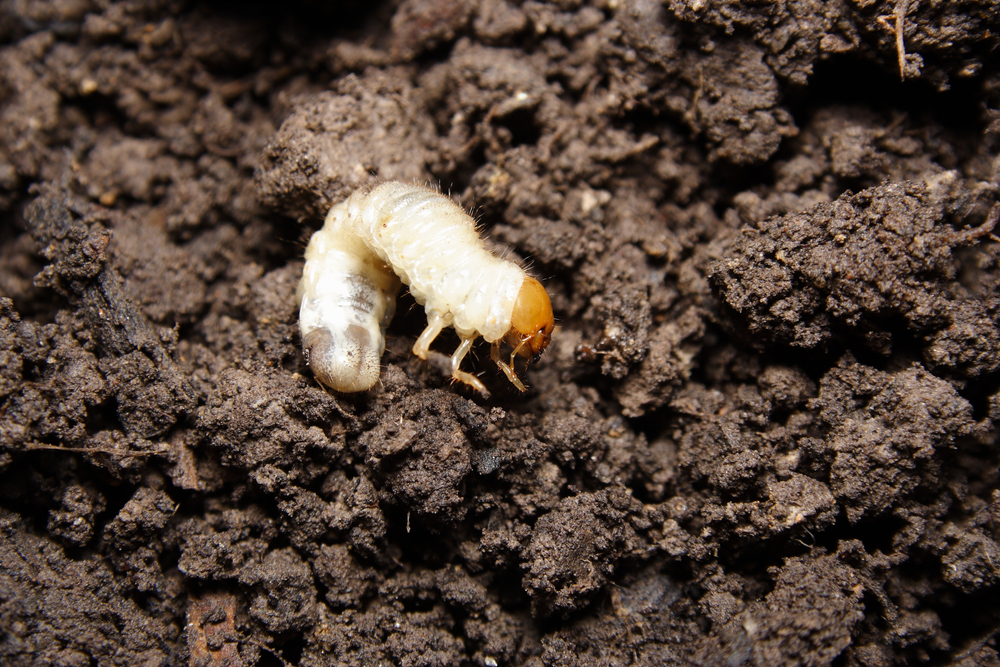
Lawn grubs are the larvae of various beetle species, most commonly Japanese beetles, European chafers, and June bugs. These soft, white, C-shaped creatures live just beneath the soil surface, where they feed aggressively on the roots of your grass. Because the damage happens underground, many homeowners do not realize they have a problem until large sections of their lawn have already died.
Understanding the white grub lifecycle helps explain why timing matters so much when it comes to treatment. Adult beetles lay their eggs in the soil during midsummer, typically in July and August. Those eggs hatch within a few weeks, and the young larvae begin feeding on grassroots almost immediately. By late summer and early fall, the grubs are actively causing the most damage. As temperatures drop, they burrow deeper into the soil to overwinter, then return to the surface in spring before eventually pupating and emerging as adult beetles to restart the cycle.
This lifecycle is important to understand because it directly affects how and when lawn grub treatment needs to be applied. Treating at the wrong time of year can render even the best products ineffective, leaving your yard vulnerable for another season.
How to Recognize the Signs of a Grub Infestation
One of the most obvious signs of a grub problem is the appearance of brown patches in grass that do not respond to watering. Unlike drought stress, which tends to affect a lawn evenly, grub damage typically shows up in irregular patches that grow larger over time. If you pull back a section of affected turf, it may feel spongy and peel away from the soil like a loose carpet, because the roots holding it in place have been eaten away.
Another reliable indicator is increased wildlife activity on your lawn. Skunks, raccoons, moles, and birds are all natural predators of grubs, and if they are digging up your yard in search of a meal, there is a good chance grubs are present in high numbers. While the animals themselves can cause additional surface damage, they are often pointing you toward a deeper problem.
To confirm a grub infestation, dig up a one-square-foot section of your lawn to a depth of about three to four inches. Count the number of grubs you find. In most regions, including West Chazy, NY, finding ten or more grubs per square foot typically indicates a population large enough to cause significant damage and warrant treatment.
Curative vs Preventative Grub Control: Which Approach Is Right for You?
When it comes to managing a grub problem, homeowners and lawn care professionals generally rely on one of two strategies: curative or preventative grub control. Each has its place depending on where you are in the season and the severity of your infestation.
Preventative grub control involves applying treatment before the grubs hatch and begin feeding. These products, often containing active ingredients like chlorantraniliprole, are applied in late spring or early summer and work by targeting newly hatched larvae before they can cause significant root damage. The advantage of preventative treatment is that it stops the problem before it starts, making it ideal for lawns that have had grub issues in previous years or for homeowners in regions where beetle populations are known to be high.
Curative grub control, on the other hand, is used after an infestation has already been identified. These products are applied in late summer or early fall when the grubs are still small and close to the soil surface. Curative treatments can be effective, but they require proper soil moisture to activate and may not work as reliably as preventative approaches. If the grubs have already grown larger and moved deeper into the soil, curative options become less effective.
The choice between curative vs preventative grub control ultimately depends on your timing, your lawn’s history, and the current level of infestation. In many cases, a combination of both strategies used in the appropriate seasons provides the best long-term protection.
Why Professional Lawn Pest Control Makes a Difference
While store-bought grub treatments are widely available, there are several reasons why many homeowners in West Chazy, NY turn to professional lawn pest control services for reliable results. Professional technicians are trained to accurately assess the severity of an infestation, identify the specific beetle species involved, and recommend the most appropriate treatment based on the time of year and local conditions.
Timing and application are everything when it comes to lawn grub treatment. Products need to be applied at the right point in the white grub lifecycle to be effective, and they often need to be watered into the soil within a specific window after application. A missed step or improper timing can mean another lost season and continued root damage. Professionals have the equipment, the knowledge, and the product access to apply treatments correctly the first time.
Beyond treatment, professional lawn pest control providers can also help you develop a long-term management strategy. This might include regular monitoring, adjusting irrigation practices to make your lawn less attractive to egg-laying beetles, and scheduling annual preventative applications to keep grub populations from reaching damaging thresholds. For homeowners who have struggled with recurring infestations, this kind of proactive, expert-guided approach can save both time and money over the long term.
There is also the matter of product selection. Not all grub control products work equally well in all situations. Some are better suited for preventative use, others for curative applications. Certain products break down quickly in high heat or dry conditions, while others remain stable in the soil for extended periods. A professional will know which product is right for your specific situation and how to apply it for maximum effectiveness.
How to Support Your Lawn’s Recovery After a Grub Infestation
Once a grub problem has been treated, your lawn will need some help recovering from the root damage that was already done. The first step is to rake out and remove any dead or loosened turf. If patches are small, surrounding grass may eventually fill them in on its own, but larger bare areas will likely need to be reseeded or resodded to restore a full, healthy appearance.
Aerating the lawn before reseeding helps improve soil contact and promotes stronger root development. Applying a starter fertilizer at the time of seeding gives new grass the nutrients it needs to establish quickly. Consistent watering during the germination period is also critical, particularly in the warmer months when the soil can dry out rapidly.
Keeping the lawn healthy overall is one of the best defenses against future grub damage. A thick, dense lawn with a deep root system is far more resilient than one that is thin and stressed. Proper mowing, fertilization, and irrigation practices all contribute to a stronger turf that can better withstand pest pressure.
Conclusion
Grubs are a serious threat to lawns in West Chazy, NY, but they are manageable with the right knowledge and timing. Recognizing brown patches in grass early, understanding the white grub lifecycle, and knowing when to apply curative vs preventative grub control are all key to protecting your yard. Whether you handle it yourself or work with a professional lawn pest control provider, acting quickly and strategically gives your lawn the best chance of a full recovery and lasting health.
Need Landscapers in NY?
Welcome to Rand Hill Lawns, Inc.! We are a family-owned and -operated business that has served the Plattsburgh community since 1986. We are your go-to lawn care consultants! Whether you need landscaping, snow removal, excavating, paving, tree removal, stump removal, or fertilizer, we can do it all. We will not stop working until we get the job done for you! We are licensed and have 30 years of experience in lawn care services. Contact us today for a free estimate!
Categorised in: Pest Control