
From Lake Champlain Storms to Deep Freezes: How to Design a Clinton County Patio That Won’t Buckle
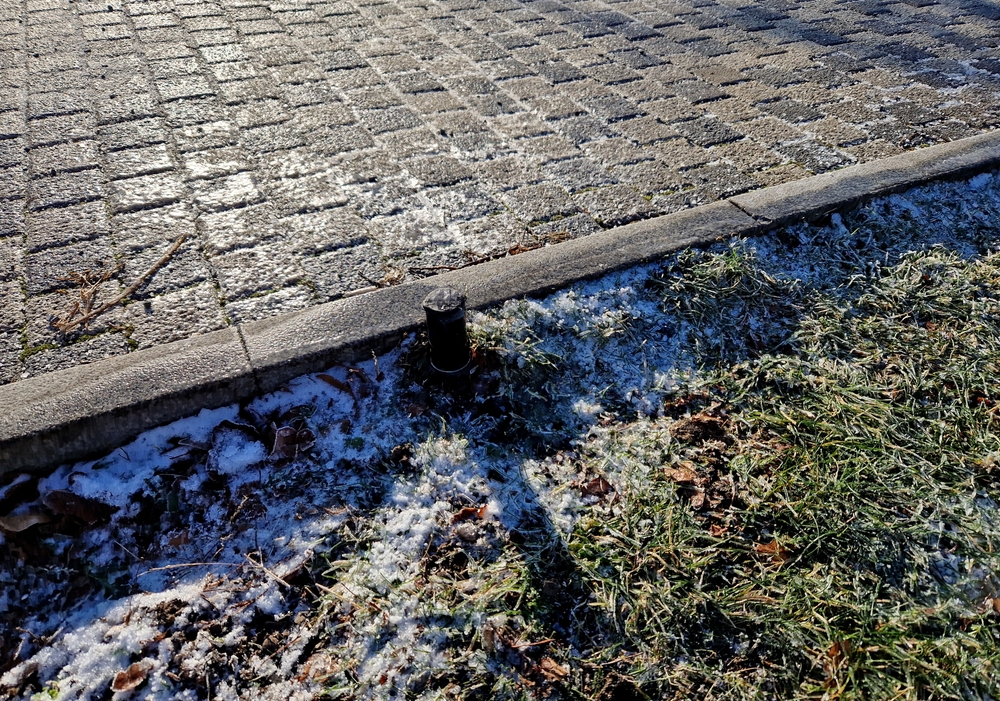
Spring flooding along Lake Champlain, heavy summer downpours, and long winters with repeated freeze thaw cycles all put outdoor living spaces to the test. A patio that looks perfect during installation can shift, crack, or settle within a few seasons if it is not designed for the unique conditions found across Clinton County.
Quick Answer
A patio that stands up to Clinton County’s climate starts with proper site preparation, drainage planning, a stable base, and materials chosen for repeated freeze thaw cycles. Designing for local soil conditions, seasonal moisture, and winter weather helps reduce movement, cracking, and costly repairs while creating an outdoor space that lasts for years.
What Local Readers Should Know
-
Freeze thaw cycles in Clinton County place repeated stress on patios that lack a properly compacted foundation.
-
Properties near Lake Champlain often experience higher moisture levels that make drainage a critical part of patio design.
-
Clay soils and areas with poor drainage can contribute to uneven settling if base preparation is overlooked.
-
Planning for snow removal and winter maintenance helps protect both pavers and natural stone surfaces.
-
Local grading conditions vary from Plattsburgh to surrounding communities, making every patio site unique.
A Well Designed Patio Starts Below the Surface
A durable patio begins with the foundation rather than the finished surface. While homeowners often focus on the appearance of pavers or stone, the layers underneath determine whether the patio remains level through years of changing weather.
Across Clinton County, seasonal temperature swings create expansion and contraction in the soil. Water that enters the ground freezes during winter, expands, and pushes upward. As temperatures rise, the ground settles again. Without proper preparation, this movement causes patios to shift, separate, or develop uneven surfaces.
Rand Hill Lawns Inc understands that lasting outdoor spaces begin with careful planning, proper grading, and attention to the conditions unique to northern New York. From that first introduction forward, we focus on building patios designed for the climate our neighbors experience every year.
Local Data and Field Observations
Freeze thaw cycles are a defining feature of northern New York winters. According to the National Weather Service, temperatures throughout the region frequently fluctuate above and below freezing during colder months, increasing ground movement as moisture repeatedly freezes and thaws.
From our field observations, patios installed without adequate excavation or drainage are far more likely to experience uneven settling after wet springs or harsh winters. Areas closer to Lake Champlain often require extra attention to water management because saturated soils remain wetter longer after storms or snowmelt.
Local Impact
A patio that shifts does more than affect appearance. Uneven surfaces create tripping hazards, allow water to pool against foundations, and can make outdoor furniture unstable.
Homeowners throughout Plattsburgh, Peru, Beekmantown, Champlain, and surrounding Clinton County communities often rely on patios for entertaining throughout the short but beautiful North Country summers. Investing in proper construction helps maximize those months while reducing maintenance throughout the year.
Common Warning Signs Your Patio May Be at Risk
A patio showing early signs of movement should be evaluated before small issues become larger repairs.
Watch for:
-
Uneven or rocking pavers.
-
Water pooling after rainfall.
-
Gaps developing between stones.
-
Edges beginning to sink.
-
Cracks in surrounding retaining features.
-
Soil washing out after heavy storms.
-
Ice forming repeatedly in low spots during winter.
Professional Design Becomes Important Before Construction
Professional planning is most valuable before installation begins. Once settling occurs, repairs often require lifting sections of the patio to correct problems underneath.
Homeowners can monitor drainage, remove debris, and observe how water flows after storms. However, evaluating grading, excavation depth, base materials, and drainage systems is best handled before construction starts, especially on sloped properties or sites with drainage challenges.
The Most Common Local Causes of Patio Failure
Several local conditions contribute to patio movement throughout Clinton County.
Poor Drainage
Water trapped beneath a patio weakens the base and increases freeze thaw damage.
Inadequate Base Preparation
Skipping proper excavation or using insufficient compacted aggregate allows settling over time.
Clay Rich Soils
Some areas throughout the region contain soils that expand when wet and shrink as they dry, increasing movement beneath hardscapes.
Heavy Snow and Ice
Snow accumulation followed by repeated thawing introduces additional moisture beneath patios each winter.
Improper Grading
Water should always move away from the home and patio rather than collecting beneath finished surfaces.
Prevention and Maintenance
Preventing patio movement starts with thoughtful design and continues through routine maintenance.
Helpful practices include:
-
Inspect drainage each spring after snowmelt.
-
Keep joints properly maintained if using pavers.
-
Avoid directing downspouts toward patio surfaces.
-
Remove standing water whenever possible.
-
Address small settling issues before they spread.
-
Use appropriate snow removal methods that minimize surface damage.
Routine inspections each season can identify small problems while repairs remain relatively simple.
What You Can Expect From Proper Patio Design
A properly designed patio will not eliminate every effect of northern New York weather, but it greatly reduces the likelihood of significant movement or structural issues.
With proper drainage, quality base preparation, and materials suited for freeze thaw conditions, homeowners can expect a stable outdoor living area that remains attractive through changing seasons while requiring less corrective maintenance.
Common Mistakes Homeowners Make
Mistake: Choosing Materials Before Planning Drainage
Consequence: Water becomes trapped beneath the patio.
Better Approach: Design drainage first, then select materials.
Mistake: Installing Over Existing Soil
Consequence: Settling develops within a few seasons.
Better Approach: Excavate and install a properly compacted base.
Mistake: Ignoring Site Slope
Consequence: Water pools against the patio or home.
Better Approach: Grade the area to encourage positive drainage.
Mistake: Delaying Minor Repairs
Consequence: Small uneven sections become larger reconstruction projects.
Better Approach: Correct isolated movement before additional settling occurs.
A Common Local Scenario
A homeowner near Lake Champlain notices puddles forming on the patio every spring after snowmelt. By midsummer, several pavers begin rocking underfoot. Rather than replacing only the affected stones, the underlying drainage and base are evaluated and corrected, helping prevent the same problem from returning after the following winter.
Related Service Solutions
Patio longevity depends on several landscape services working together.
Solutions often include:
-
Patio design and installation.
-
Site grading.
-
Drainage improvements.
-
Retaining walls where elevation changes require support.
-
Landscape renovations that improve water movement across the property.
Comparing Your Options
| Option | Advantages | Limitations |
|---|---|---|
| DIY Patio | Lower upfront cost for experienced homeowners | Greater risk of drainage or base preparation mistakes |
| Professional Installation | Proper grading, excavation, and long term planning | Higher initial investment |
| Surface Repairs Only | Addresses cosmetic issues quickly | Does not solve underlying foundation problems |
| Full Reconstruction | Corrects drainage and structural concerns | Larger project with greater upfront cost |
Serving Clinton County and Nearby Communities
We proudly serve homeowners throughout Clinton County, including Plattsburgh, Peru, Beekmantown, Champlain, and nearby North Country communities. Every property presents different drainage and grading challenges, making local experience especially valuable when planning outdoor living spaces.
The Cost of Waiting
Ignoring early signs of patio movement often leads to larger repairs later. Minor settling can gradually affect drainage, increase trip hazards, and create additional stress on surrounding landscaping. Addressing concerns early is usually less disruptive than rebuilding significant portions of the patio.
Frequently Asked Questions
Why do patios move so much in Clinton County?
Freeze thaw cycles, moisture, and varying soil conditions all contribute to ground movement throughout Clinton County. Proper base preparation and drainage help reduce these effects.
Does living near Lake Champlain affect patio performance?
Yes. Properties closer to Lake Champlain often experience additional moisture, making drainage design especially important for long term stability.
Are pavers better than poured concrete in northern New York?
Both can perform well when properly installed. Pavers are often easier to repair if localized settling occurs because individual sections can be lifted and reset.
How often should a patio be inspected?
A visual inspection each spring and fall is a good practice. Checking for drainage issues after heavy storms also helps identify developing problems.
Can existing patios in Plattsburgh be repaired?
Many patios can be repaired if problems are identified early. The best solution depends on whether movement is isolated or caused by larger drainage or foundation issues.
When is the best time to install a patio in Clinton County?
Late spring through early fall generally provides favorable construction conditions, although scheduling depends on weather and site conditions.
Build a Patio Designed for North Country Weather
A beautiful patio should do more than enhance your backyard. It should withstand the changing conditions that make life in Clinton County unique. Careful planning, proper drainage, and quality installation create outdoor spaces that continue performing season after season.
Create an Outdoor Space Built to Last
We help homeowners design patios that are ready for Lake Champlain storms, snowy winters, and everything in between.
Categorised in: Landscaping