
The Late-Summer Lawn Rescue: Why August is the Make-or-Break Month for West Chazy Turf
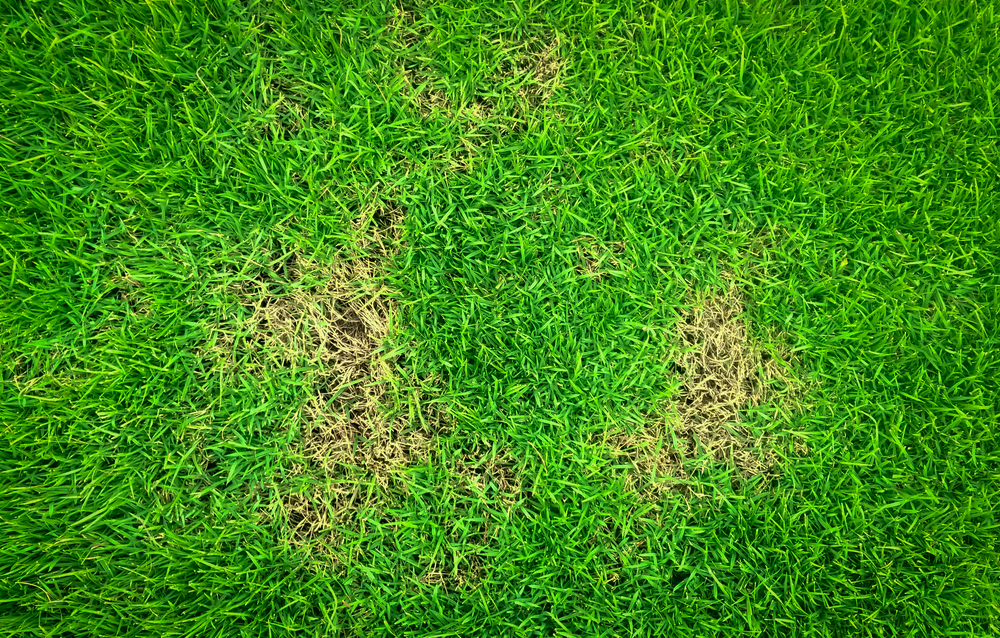
As August settles into the North Country, many homeowners notice their lawns looking tired, patchy, or faded after weeks of summer heat and changing weather. What looks like a lawn that’s beyond saving is often a lawn entering one of the most important recovery periods of the year.
Quick Answer
August is the make-or-break month for lawns in West Chazy because cool-season grasses begin preparing for fall recovery while still coping with late summer stress. Taking the right steps now, including proper watering, mowing, weed control, and lawn evaluation, can help turf recover before colder weather arrives. Waiting until fall may leave damaged areas struggling to bounce back next spring.
What Local Readers Should Know
-
August stress often reveals lawn problems that developed earlier in the summer.
-
Northern New York’s cool-season grasses respond well to late summer recovery efforts before autumn temperatures arrive.
-
Clay soils and varying drainage conditions throughout Clinton County can affect how quickly lawns recover.
-
Nearby communities like Beekmantown, Chazy, Rouses Point, and Plattsburgh often experience similar seasonal lawn challenges due to shared weather patterns.
-
Early action now gives grass more time to strengthen before the first frost.
Why This Matters Locally
Late summer can be particularly challenging for lawns throughout West Chazy, Clinton County, and surrounding communities. Long daylight hours, occasional dry stretches, heavy afternoon rainstorms, and fluctuating temperatures all place stress on Kentucky bluegrass, perennial ryegrass, and fine fescue, which are common throughout the region.
Properties near Lake Champlain may experience different moisture patterns than inland neighborhoods, while shaded lots often recover differently than open, sunny lawns. Every property responds a little differently, making August the ideal time to evaluate overall lawn health before fall growth begins.
At Rand Hill Lawns Inc, we see many lawns that appear worn out in August but respond remarkably well with the right seasonal care. Our goal is to help homeowners understand what their turf needs before cooler weather arrives.
Local Data and Field Observations
Professional field observations throughout the North Country consistently show that late summer is when many lawn issues become easiest to identify. Heat stress, compacted soil, insect activity, disease damage, and poor drainage often become much more visible after several months of active growing conditions.
The National Weather Service notes that northern New York commonly experiences periods of warm temperatures mixed with scattered rainfall during late summer. Those changing conditions can either help lawns recover or increase stress depending on soil conditions and maintenance practices.
Local Impact
August lawn conditions affect more than curb appeal.
Thin turf allows more weeds to establish before fall. Bare areas become vulnerable to erosion during heavy rains. Weak grass also enters winter with fewer energy reserves, increasing the likelihood of snow mold, winter damage, and slow spring green-up.
For homeowners throughout West Chazy and nearby communities, investing in lawn recovery now often reduces the amount of renovation needed next season.
Warning Signs Your Lawn Needs Late-Summer Rescue
The most common warning signs include:
-
Brown patches that remain after rainfall.
-
Thin or sparse grass coverage.
-
Increased weed growth.
-
Soil that feels hard or compacted.
-
Grass that doesn’t bounce back after being walked on.
-
Areas where water pools after storms.
-
Uneven color across different sections of the lawn.
These symptoms often indicate underlying issues rather than permanent lawn damage.
When to Call a Professional
Professional lawn evaluation becomes worthwhile when damage affects large portions of the yard or when problems continue despite regular watering and mowing.
Homeowners can safely monitor soil moisture, adjust mowing height, and remove obvious weeds. However, diagnosing disease, insect damage, severe compaction, or nutrient deficiencies often requires experience because several problems can produce similar symptoms.
Early identification allows corrective work to begin while grass still has time to recover before winter.
Common Local Causes of August Lawn Stress
1. Summer Heat Stress
Even in northern New York, extended warm weather slows cool-season grass growth and weakens root systems.
2. Soil Compaction
Heavy foot traffic, mowing equipment, and naturally dense soils throughout Clinton County can reduce airflow and water movement below the surface.
3. Inconsistent Watering
Alternating between dry periods and heavy watering creates additional stress for grass roots.
4. Weed Competition
Weeds compete with desirable turf for sunlight, nutrients, and moisture during one of the lawn’s most stressful periods.
5. Insect or Disease Activity
Certain insects and turf diseases become more noticeable during late summer as stressed grass struggles to recover.
Prevention and Maintenance
The best August lawn care focuses on reducing stress rather than forcing rapid growth.
Helpful maintenance practices include:
-
Continue mowing at the proper height.
-
Water deeply instead of frequently.
-
Avoid removing more than one-third of the grass blade during mowing.
-
Watch for developing bare spots.
-
Plan aeration and overseeding as cooler weather approaches.
-
Keep mower blades sharp for cleaner cuts.
Professional evaluations can also identify whether fertilization or additional treatments should be scheduled for early fall.
Expected Results
Most lawns begin showing improvement within several weeks when underlying problems are addressed during late summer.
Recovery depends on grass type, weather conditions, soil health, and the extent of existing damage. While severely damaged sections may require overseeding or renovation, many stressed lawns regain density and color before winter with timely care.
Common Mistakes
Mistake: Cutting grass extremely short to reduce mowing.
Consequence: Short grass loses moisture faster and weakens already stressed turf.
Better Approach: Maintain recommended mowing height to protect roots and retain soil moisture.
Mistake: Watering lightly every day.
Consequence: Shallow watering encourages weak root systems.
Better Approach: Water deeply and less frequently.
Mistake: Assuming brown grass is completely dead.
Consequence: Homeowners may replace grass unnecessarily.
Better Approach: Evaluate root health before deciding on major lawn renovation.
Common Local Scenario
A homeowner in the West Chazy area notices thinning grass after several hot weeks in July. By early August, weeds begin filling the open areas while sections near the driveway appear dry despite occasional watering.
Rather than waiting until spring, a late summer lawn assessment identifies compacted soil and moisture issues. With appropriate maintenance and seasonal recovery practices, much of the lawn strengthens before winter, reducing the amount of work needed the following year.
Related Service Solutions
Late-summer lawn recovery often involves several complementary services, including:
-
Lawn evaluations
-
Seasonal fertilization
-
Core aeration
-
Overseeding
-
Weed management
-
General lawn maintenance
Each service addresses different causes of declining turf health and helps prepare lawns for successful fall growth.
Comparing Your Options
| Option | Benefits | Limitations |
|---|---|---|
| DIY Maintenance | Lower upfront cost and regular monitoring | May not identify hidden lawn problems |
| Professional Lawn Assessment | Identifies underlying issues and creates a recovery plan | Requires scheduling service |
| Waiting Until Spring | Delays immediate expense | Problems often become more severe over winter |
Service Areas
We proudly serve homeowners throughout West Chazy, Chazy, Beekmantown, Plattsburgh, Rouses Point, and surrounding Clinton County communities. Local knowledge helps us recommend lawn care practices that fit North Country growing conditions.
Cost of Ignoring the Issue
Waiting until next spring can allow weeds to spread, bare patches to expand, and weakened turf to enter winter in poor condition. Addressing lawn stress during August often reduces future repair costs and helps establish healthier grass before cold weather arrives.
Frequently Asked Questions
Why is August so important for lawns in West Chazy?
August is important because cool-season grasses begin transitioning toward fall recovery while still recovering from summer stress. Taking action now helps strengthen turf before winter dormancy.
Should I fertilize my lawn during August in Clinton County?
The answer depends on your lawn’s condition. Some lawns benefit from carefully timed late summer fertilization, while others may be better served by waiting until early fall after evaluation.
Is brown grass always dead?
No. Many brown lawns are dormant rather than dead. Healthy roots can often produce new growth once temperatures moderate and proper care resumes.
Does West Chazy weather affect lawn recovery?
Yes. Rainfall patterns, temperature swings, soil moisture, and local drainage conditions all influence how quickly lawns recover during late summer.
Can compacted soil damage my lawn?
Yes. Compacted soil restricts oxygen, water movement, and root growth, making grass more vulnerable to drought and seasonal stress.
Should I overseed in August?
Late August often begins one of the best overseeding windows for northern New York because cooler temperatures help new grass establish before winter.
How often should I water during late summer?
Deep, infrequent watering generally encourages healthier root systems than frequent shallow watering. Adjust watering based on rainfall and soil moisture.
When should I contact a lawn care professional?
If your lawn has widespread thinning, persistent brown areas, recurring weeds, or signs of disease or insect activity, a professional assessment can help determine the most effective recovery plan.
Closing
Late summer provides one of the best opportunities to strengthen lawns before colder weather arrives. Addressing problems during August gives grass valuable time to recover, develop stronger roots, and head into winter in better condition.
Give Your Lawn the Strong Finish It Deserves
Healthy lawns start with the right care at the right time. Let us help you evaluate your lawn’s condition and recommend the best path toward a greener, healthier yard.
Categorised in: Lawn Care Tips